How to Stop Emotional Eating Gently

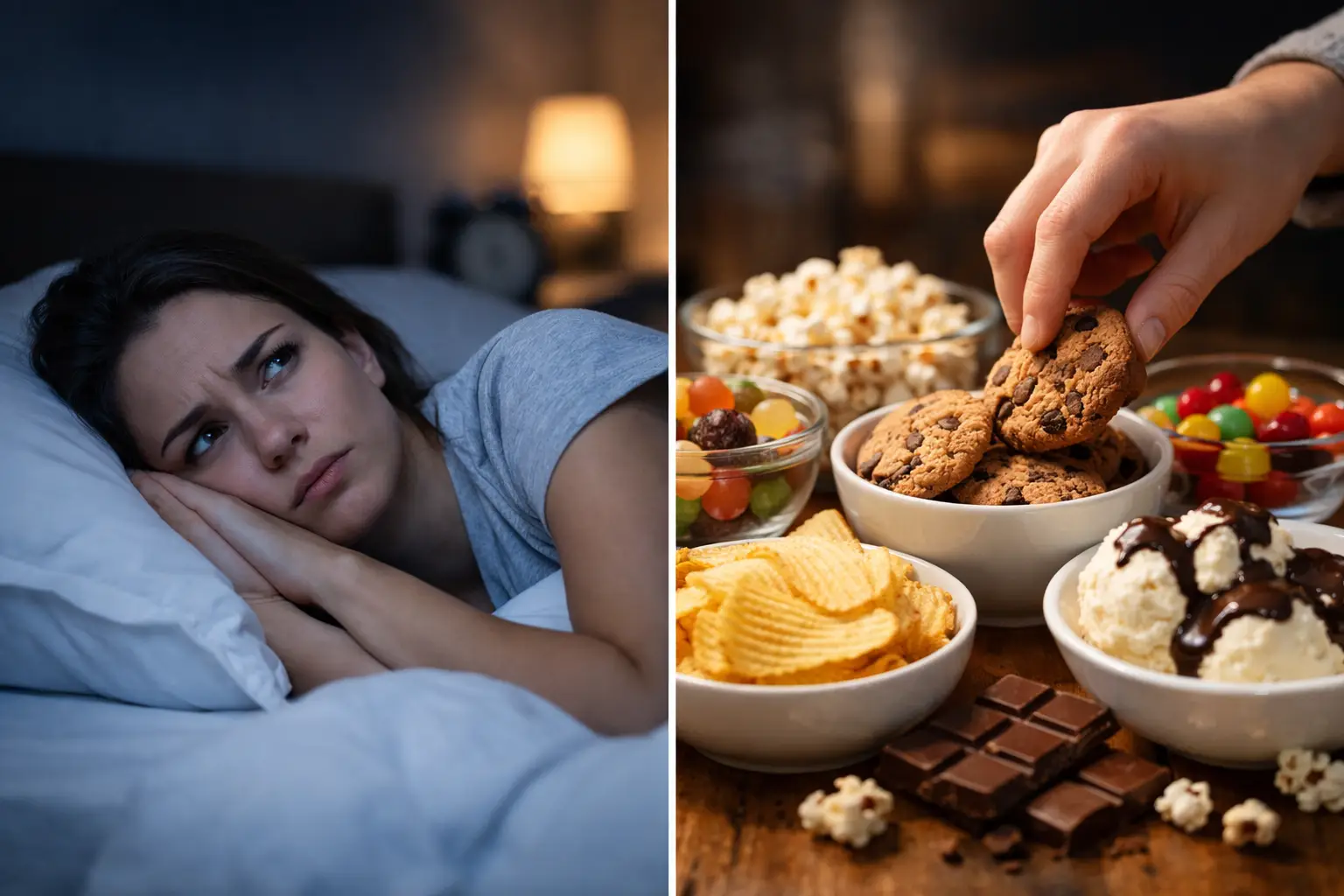
You promise yourself you will keep it together tonight. Then dinner ends, the house gets quieter, your body finally slows down, and suddenly the pull toward snacks feels almost magnetic. If you are searching for how to stop emotional eating, it may help to start here: this is not a willpower failure. Very often, it is a stressed, tired nervous system asking for relief in the fastest way it knows.
That shift matters. Shame makes the cycle tighter. Understanding softens it enough for change to begin.
Why emotional eating happens in the first place
Emotional eating is rarely just about food. Food can become a coping tool when you are overwhelmed, lonely, under-supported, bored, anxious, or simply running on empty. For many people, especially at night, eating is not about hunger alone. It is about finally getting comfort after a long day of holding everything together.
There is also a body-level reason this can feel so hard to interrupt. When your nervous system is stuck in stress mode, your brain looks for something quick, familiar, and soothing. Sugar, crunch, fullness, and repetition can all create a temporary sense of grounding. That does not mean the habit is helping in the long term. It means your system learned a strategy that makes sense given the pressure you are under.
This is why harsh rules often backfire. If your days are full of restriction, emotional suppression, and constant self-monitoring, evening cravings can intensify. The body does not respond well to punishment when what it actually needs is safety, steadiness, and enough nourishment.
How to stop emotional eating without making it worse
If your goal is to stop emotional eating forever by pure force, you will probably end up feeling more defeated. A gentler goal works better: learn what your eating is doing for you, then build other ways to meet that need.
That approach is slower than a rigid plan, but it is far more sustainable. You are not trying to become perfectly controlled. You are trying to feel less hijacked.
Pause before the food, not to block it but to notice
The most helpful first step is often a short pause. Not a dramatic intervention. Just thirty seconds of honest noticing.
Before you reach for food, ask yourself, What is happening in me right now? You might find hunger, but you might also find resentment, loneliness, restlessness, fatigue, or the strange emptiness that appears when the day finally stops moving. Naming the feeling can lower the urgency.
If you still want to eat after that, you have not failed. The pause is still useful because it helps you move from automatic to aware. That is where change starts.
Make sure you are eating enough during the day
This part is easy to underestimate. A lot of emotional eating is mixed with biological deprivation. If breakfast was rushed, lunch was light, and dinner was your first real exhale, your evening cravings may not be purely emotional at all.
Try looking at the full day with compassion. Are you consistently underfed? Are you skipping meals because you are busy, then blaming yourself for nighttime eating? If so, the solution is not more discipline. It may be more regular nourishment.
There is nuance here. Not every craving is caused by restriction, but undereating does make emotional eating harder to untangle. A regulated body is less likely to feel panicked around food.
Build a small transition between your day and your evening
Many people use food to mark the moment they are finally off duty. If that sounds familiar, the answer is not just taking snacks away. It helps to create another ritual that tells your body, You can come down now.
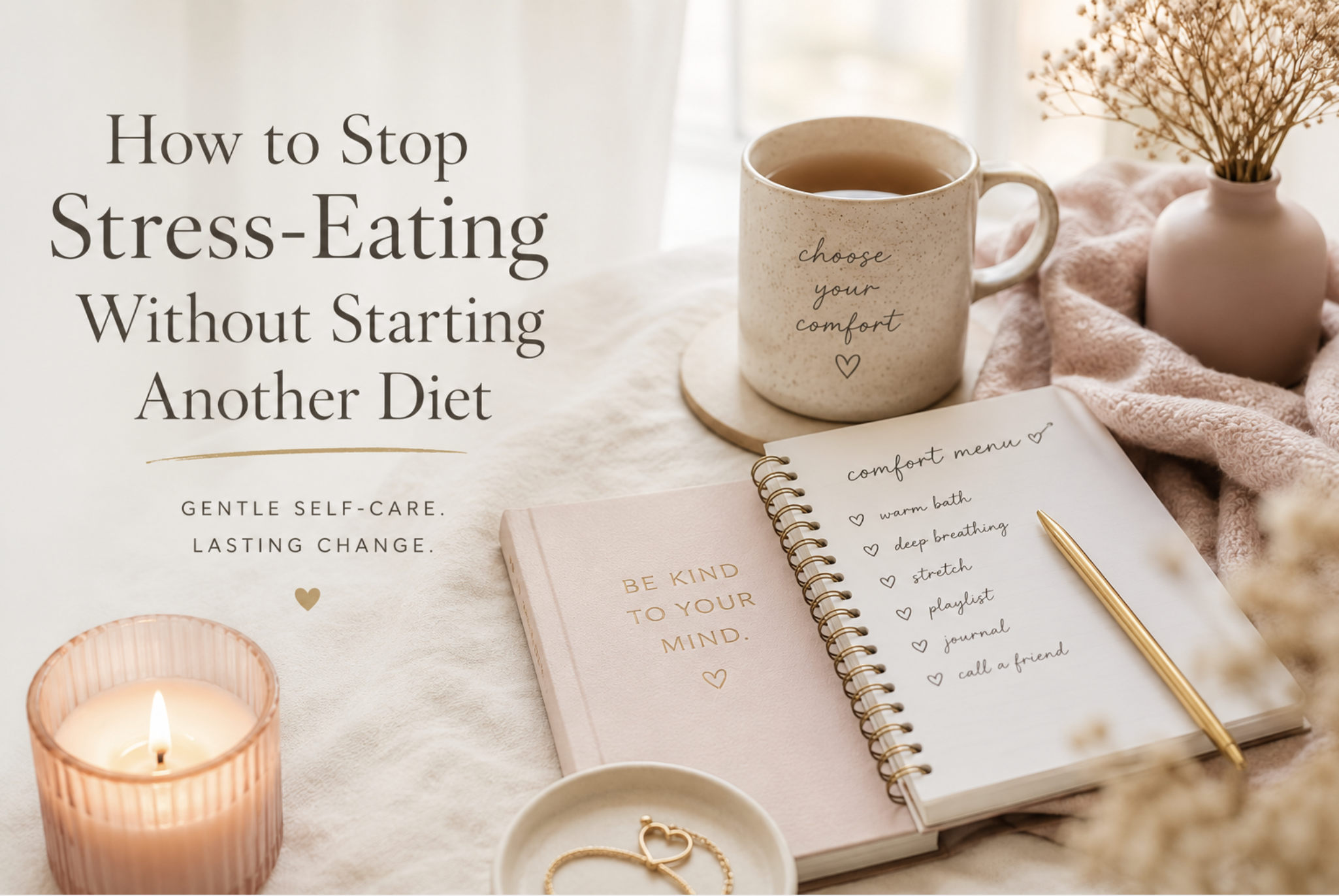
This does not need to be elaborate. Change your clothes. Wash your face. Make tea. Sit in a dim room for five minutes without your phone. Put one hand on your chest and take a slower exhale than inhale. Small signals of safety can interrupt the urge to use food as your only landing place.
At My Calm Hour, this is the heart of the work: not just removing a habit, but giving your system a gentler place to rest.
What to do when emotional eating hits at night
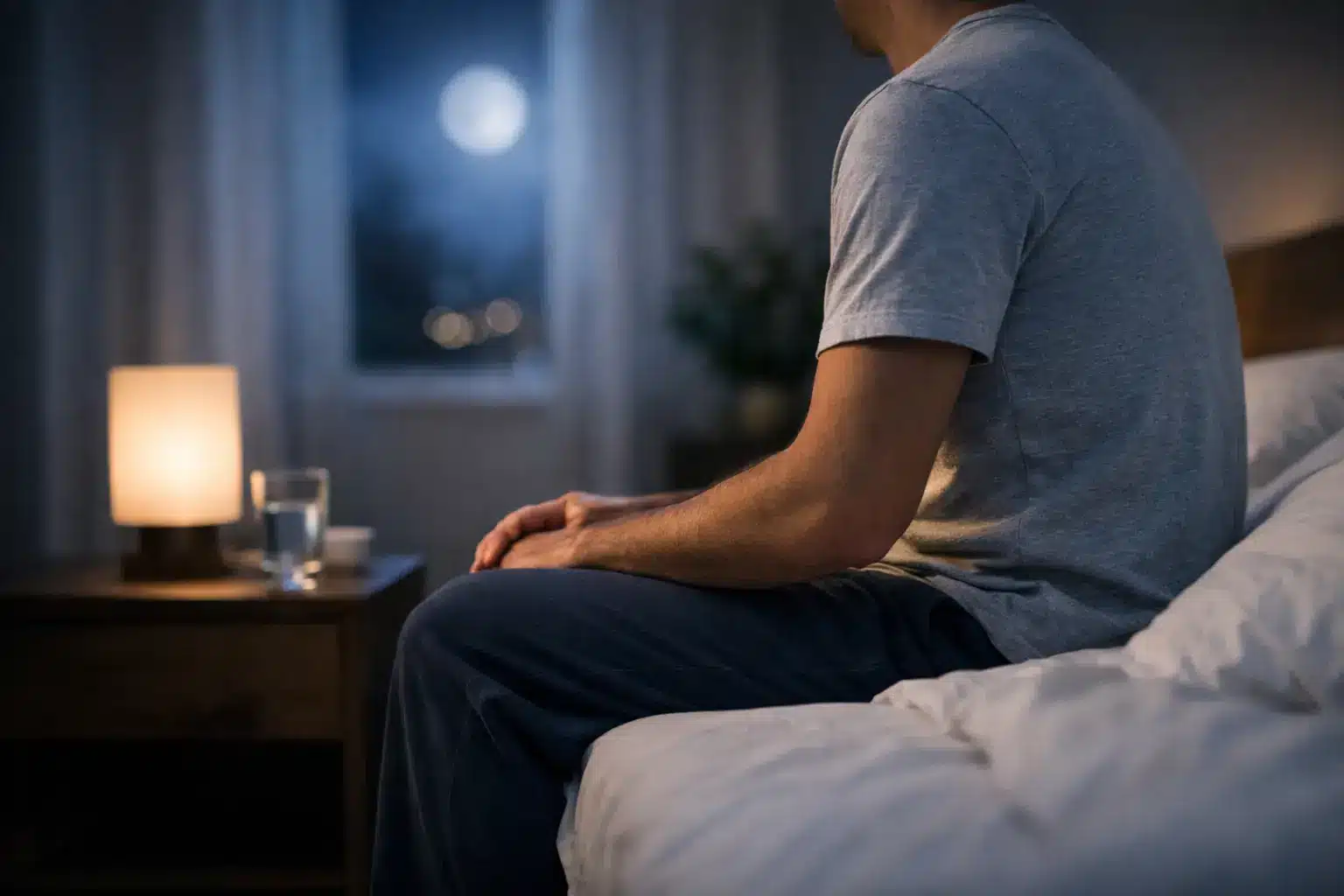
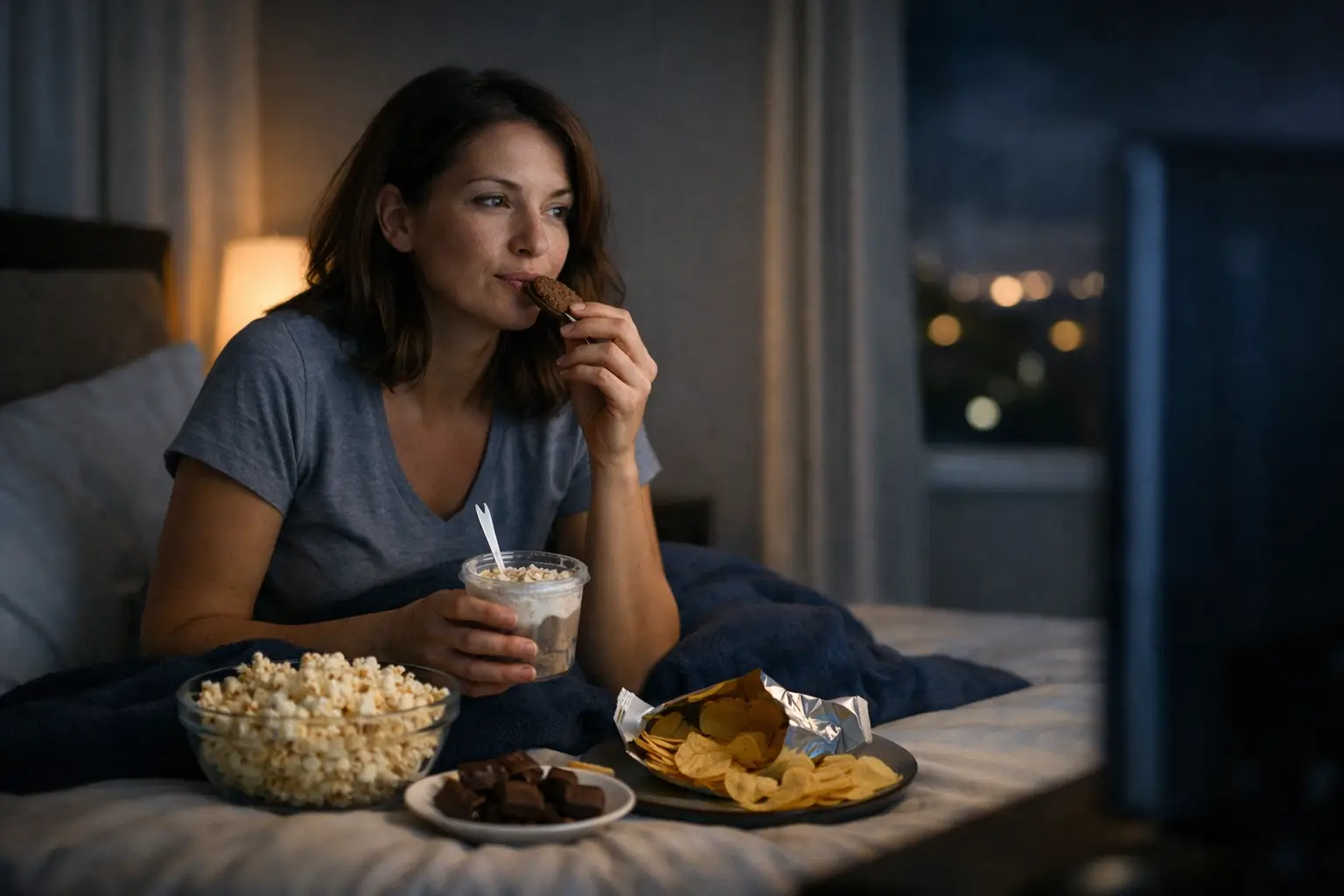
Evening is when many people feel most vulnerable because the distractions fall away. You may also be carrying the emotional residue of the entire day. If emotional eating tends to happen after dinner, it helps to plan for that time with care rather than waiting until you are already flooded.
Keep your response simple. If the urge appears, start by asking, Do I need food, comfort, or both? Sometimes the answer really is both. Maybe you need a satisfying snack and a softer evening. Giving yourself one does not mean you are doing it wrong.
If it is comfort you need, try reducing stimulation before trying to reduce eating. Bright lights, scrolling, unfinished work, and emotional tension can all keep cravings activated. A calmer environment often lowers the intensity.
If you do eat emotionally at night, speak to yourself in a way that keeps the door open. Something like, I was needing relief. Let me get curious about that. That may sound small, but it changes what happens next. Self-criticism tends to trigger more eating, not less.
Gentle tools that actually help
You do not need a long list of wellness tasks. You need a few supports you can return to consistently.
Journaling can help, especially if you keep it short and specific. Try writing three lines: what happened, what you felt, and what you needed. Over time, patterns become easier to see. You may notice that cravings spike after conflict, overstimulation, skipped meals, or long stretches of caring for everyone else.
Body-based calming can also help because emotional eating is not only mental. It is often physiological. A slower exhale, a hand on the belly, a brief stretch, or sitting with your feet firmly on the floor can reduce the sense of internal urgency. These are not magic tricks. They are ways of telling your body that the moment is survivable.
Pleasure matters too. Sometimes food becomes your only reliable source of comfort because there is not enough softness elsewhere. Ask yourself where else ease can live in your day. Music in the kitchen. A blanket on the couch. Ten quiet minutes before bed. A candle while you clean up. Tiny moments count.
How to stop emotional eating when nothing seems to work
If you have tried to change this pattern many times, you may feel discouraged. That makes sense. Emotional eating often has layers. Stress, habit, loneliness, trauma, perfectionism, and physical hunger can all be mixed together. When that is true, progress may not look like never eating for comfort again. It may look like catching the urge earlier, recovering faster, or having fewer nights that feel out of control.
It also helps to let go of all-or-nothing thinking. If you ate past fullness, the night is not ruined. You do not need to start over tomorrow because you were never off track as a person. You are learning a new response in moments when your old one feels deeply familiar.
There are times when more support is important. If emotional eating feels compulsive, deeply distressing, or connected to a history of trauma or disordered eating, working with a qualified therapist or eating disorder informed professional can make a real difference. Gentle support is not a last resort. Sometimes it is the clearest path forward.
The real question is not how to become someone who never needs comfort. It is how to care for yourself when you do. When you meet that question with compassion instead of control, change becomes more possible. One gentle hour at a time.