What Is Emotional Eating and Why Do We Do It?

There is a reason the urge to eat can feel strongest right when the house gets quiet, your body finally slows down, and all the feelings you pushed through all day start to catch up with you. If you have ever wondered what is emotional eating and why do we do it, the answer is not that you lack willpower. More often, eating becomes a fast, available way to soften stress, numb discomfort, or create a moment of relief when your system is running on empty.
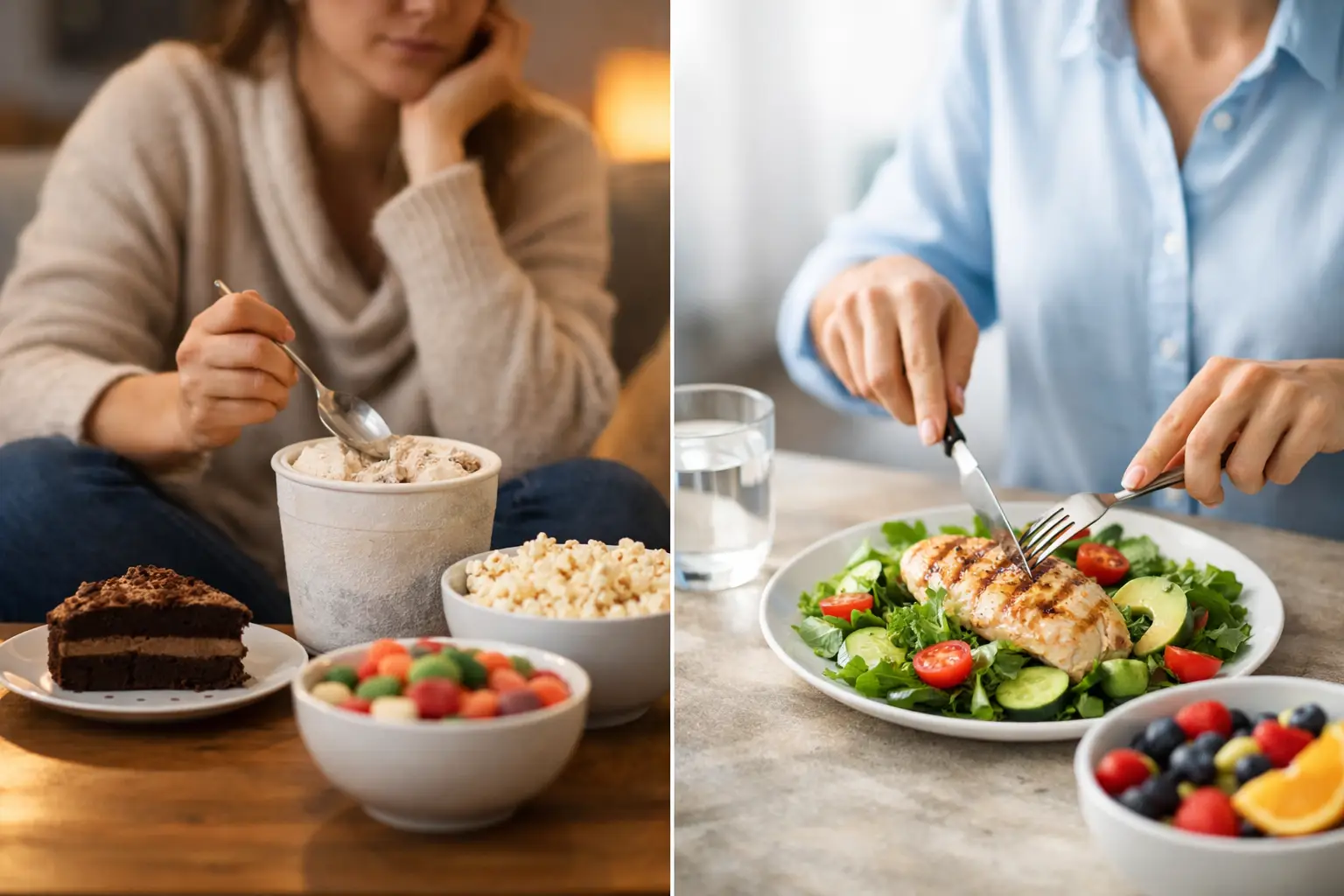
Emotional eating is eating that is driven more by feelings, stress, overwhelm, loneliness, boredom, frustration, or exhaustion than by physical hunger alone. That does not mean the hunger is fake. It means food is being used for more than fuel. It may be comfort, distraction, grounding, stimulation, or even a reward after a hard day.
That matters, because many people blame themselves for emotional eating when their body is actually trying to help. It may not be the most supportive strategy in the long run, but it often starts as a form of coping. When you see it that way, shame begins to loosen its grip.
What is emotional eating and why do we do it?
At its core, emotional eating happens when food becomes a response to an internal state. You feel anxious, so you snack. You feel depleted, so you keep picking. You feel lonely at night, so eating fills the space for a little while. The pattern can be subtle or very intense, and it can happen with healthy foods, comfort foods, or anything that feels easy and soothing.
Why do we do it? Because it works, at least for a moment. Food can change your state quickly. It offers pleasure, structure, familiarity, and a temporary shift away from discomfort. If your days are full of pressure, caregiving, decision fatigue, or emotional suppression, it makes sense that your body and brain would start reaching for the most immediate form of relief available.
This is especially true in the evening. Many people hold themselves together all day, override their needs, and stay in go mode for hours. When night comes, the nervous system often swings hard in the other direction. Cravings can feel louder then not because you are weak, but because the body is finally signaling everything it did not have space to ask for earlier.
Emotional eating is not the same as being out of control
One of the most painful myths about emotional eating is that it means you are failing. In reality, it often reflects a very understandable mismatch between what you have been carrying and how little support you have had.
Sometimes emotional eating looks like eating past fullness after a stressful workday. Sometimes it looks like grazing while standing in the kitchen because sitting still feels impossible. Sometimes it is the nightly promise to be good tomorrow followed by another round of snacking you did not really want.
Not every experience of emotional eating is the same. For some people, it is occasional and mild. For others, it feels repetitive, compulsive, and tied to deeper stress patterns. The goal is not to label every craving as emotional. The goal is to notice what role food is being asked to play.
Why stress makes cravings stronger
Stress changes eating behavior in very real ways. When your nervous system is activated, your body is focused on getting through the moment, not thoughtfully checking in with hunger and fullness cues. That can make eating feel more urgent, automatic, or hard to pause.
Chronic stress also drains your capacity. If you have spent the day caregiving, people pleasing, performing, or pushing through fatigue, you are not just hungry for food. You may be hungry for comfort, quiet, permission to stop, or something that feels like it belongs only to you.
Highly palatable foods often become the answer because they offer a quick shift. They can feel grounding when you are anxious, stimulating when you are flat, and comforting when you feel emotionally raw. Again, this is not a character flaw. It is a pattern your brain has learned because it gives a short-term reward.
Restriction can make emotional eating worse
This is one of the most overlooked pieces. If you are under-eating during the day, cutting out satisfying foods, or living in a cycle of guilt and compensation, emotional eating can become more intense.
Part of that is physical. A hungry body will naturally seek quick energy. But part of it is emotional too. Restriction often creates a sense of deprivation, and deprivation tends to rebound. The stricter the rule, the louder the pull can become when your defenses are low.
This is why a shame-based approach usually backfires. If every episode of emotional eating is met with self-criticism, the stress increases. Then food is needed again to soothe the stress that shame created. It becomes a loop.
Common reasons emotional eating shows up at night
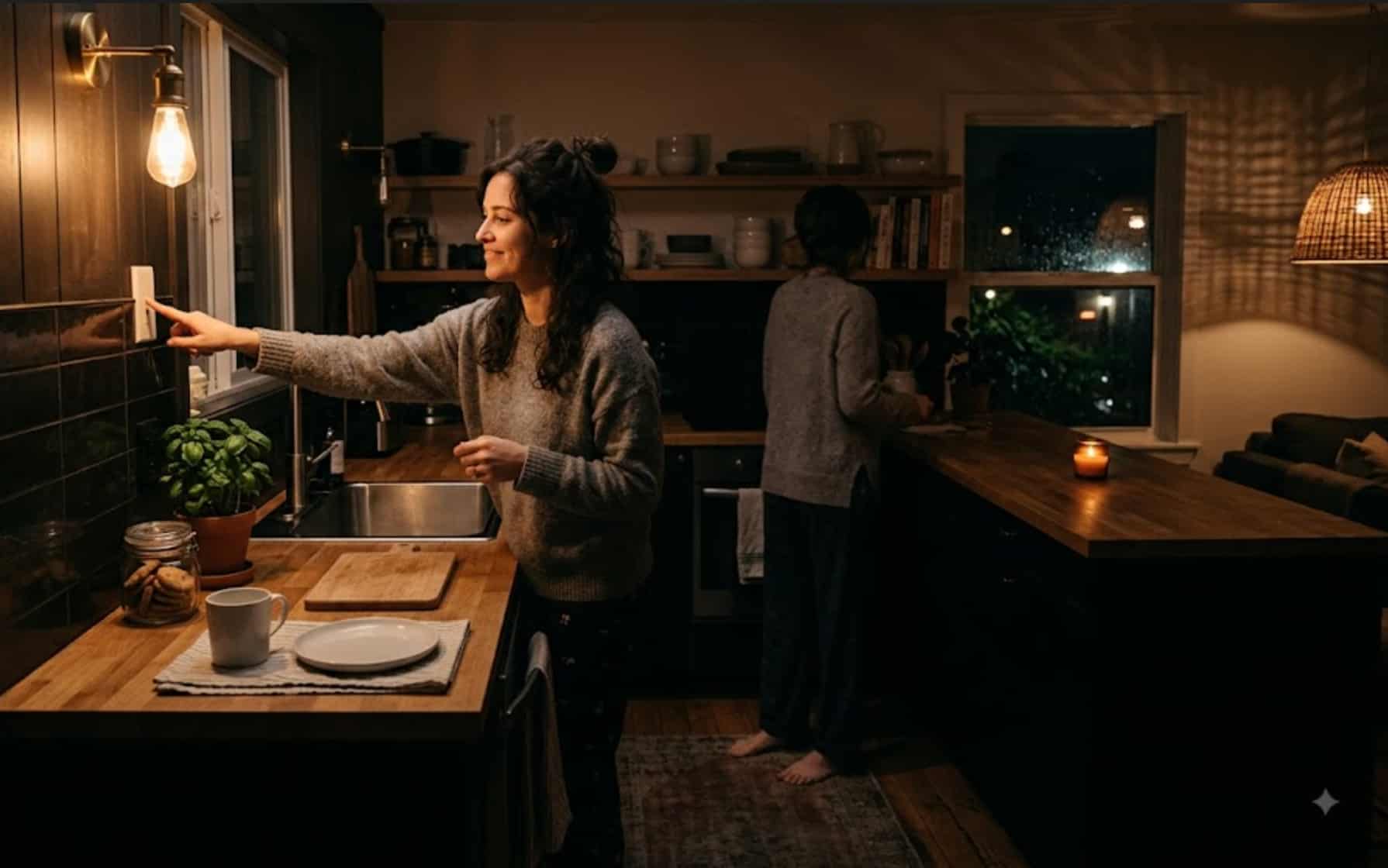
Evening eating is especially common because nighttime removes distractions. You are finally home. The to-do list is quieter. Your body is tired. Emotions that were manageable at noon can feel much bigger at 9 p.m.
For many women, nighttime eating is not really about poor discipline. It is the collision of accumulated stress, unmet needs, loneliness, sensory overload, and exhaustion. If you have not had enough rest, nourishment, or emotional space during the day, the evening can become the first time those needs ask to be met.
There is also habit. If your brain has paired the couch, the kitchen, or the end of work with snacks for years, the urge can appear before you are even consciously aware of it. That does not mean the habit is permanent. It means your system likes predictability.
How to tell the difference between physical and emotional hunger
This is not always clear in the moment, and that is okay. Real life is messy. Sometimes hunger is physical and emotional at the same time.
Physical hunger usually builds gradually and feels easier to satisfy with a range of foods. Emotional hunger often comes on more suddenly, feels tied to a specific craving, and can carry a sense of urgency. You may notice thoughts like I need something now, or I deserve this, or I just want to stop feeling this way.
The most compassionate question is not, Is this good or bad? It is, What do I need right now? Sometimes the answer really is food. Sometimes it is food plus rest, comfort, a boundary, a cry, or a few quiet minutes to come back into your body.
What helps more than trying to be stricter
If emotional eating has become a regular coping tool, the answer is not more rules. It is more support. That begins with reducing the pressure to fix yourself and getting curious about the moments that lead up to eating.
A gentle pause can help. Before reaching for food, try asking what happened in the last hour. Were you stressed, overstimulated, lonely, resentful, tired, or underfed? This kind of reflection is not meant to stop you from eating. It is meant to help you understand the pattern so you are not left fighting a mystery every night.
It also helps to build calming routines before the craving peaks. That might mean eating enough throughout the day, having a real afternoon snack, dimming the lights earlier, stepping away from screens, or creating a transition between work mode and evening mode. Small rituals matter because they tell the nervous system it is safe to soften.
If you still eat emotionally sometimes, that does not mean you failed. Progress often looks like noticing sooner, choosing more intentionally, or recovering without spiraling into guilt. At My Calm Hour, this is the heart of the work: not perfect eating, but a calmer relationship with yourself.
When emotional eating may be asking for deeper support
Sometimes emotional eating is mainly about stress and habit. Sometimes it is connected to anxiety, grief, trauma, burnout, or longstanding patterns of self-soothing through food. If the behavior feels intense, secretive, or deeply distressing, extra support can be important.
You do not need to wait until things look severe to deserve help. If eating feels loaded with shame, if nights feel unmanageable, or if food has become your main way to cope, that is enough reason to seek support that feels safe and non-judgmental.
You are not broken for eating this way. Your body may be using the best strategy it knows to get through a hard moment. The healing begins when you stop asking, What is wrong with me, and start asking, What is my system trying to tell me, one gentle hour at a time?