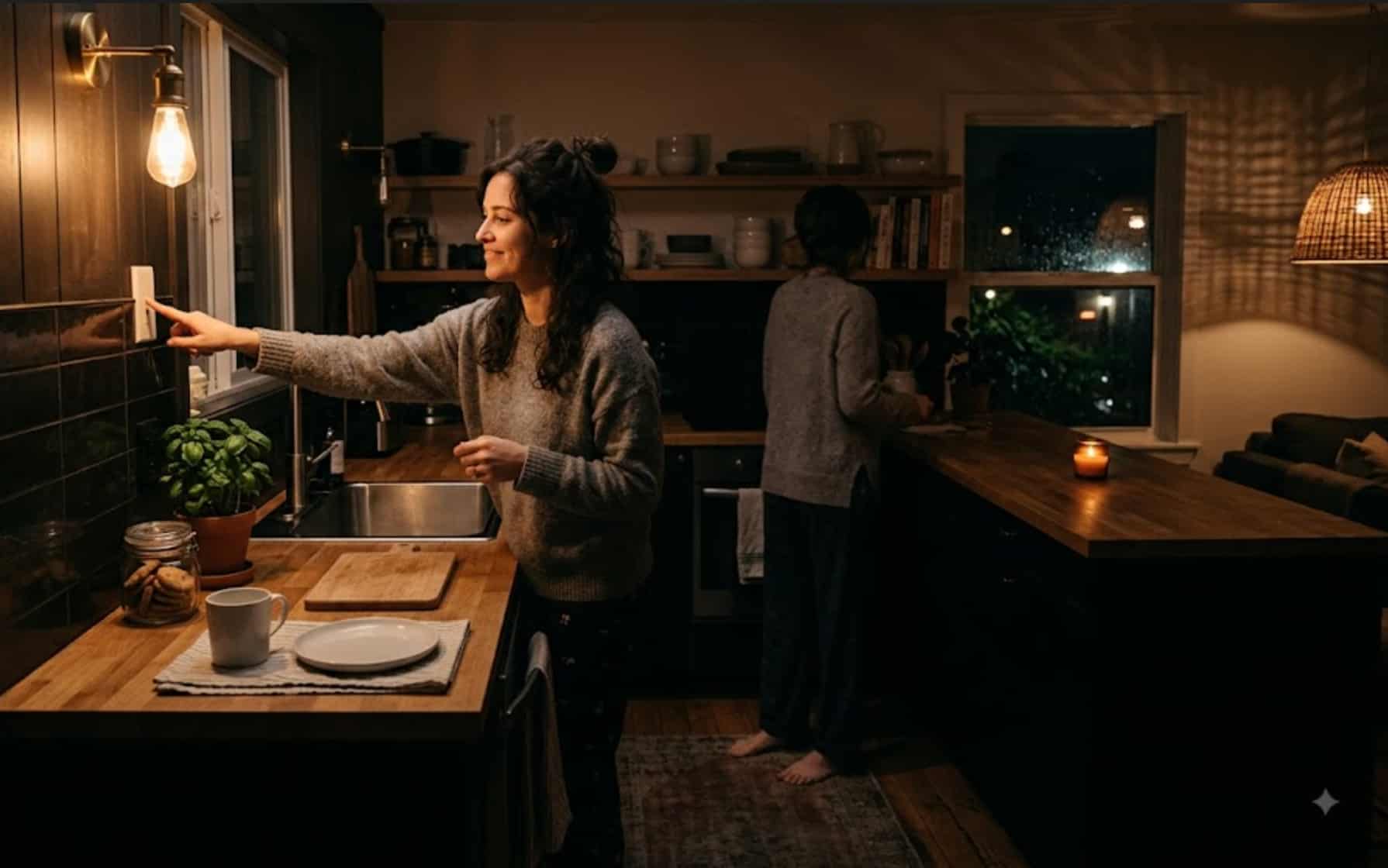
Emotional Hunger vs Physical Hunger

It often happens in the quietest part of the day. Dinner is over, the house is finally still, and suddenly the pull toward food gets louder. Not always because your body needs energy, but because your nervous system is asking for something. When you start to understand emotional hunger vs physical hunger, those evening moments can feel less confusing and a lot less shame-filled.
You are not broken. You are not lacking discipline. Very often, what feels like a food problem is actually an exhaustion problem, a stress problem, or a comfort problem wearing the clothes of hunger.
Why emotional hunger can feel so convincing
Emotional hunger does not usually arrive as a clear thought. It rarely says, “I feel lonely” or “I am overstimulated and need rest.” It tends to show up as urgency. A craving. A restless feeling that says, “I need something now.”
That is part of why it can be so hard to recognize, especially at night. By evening, many people have spent the entire day pushing through work, caregiving, decision-making, and emotional labor. The body may be physically tired, but the nervous system may also be searching for relief. Food is fast, familiar, and soothing. It offers a brief landing place.
This does not mean comfort eating is irrational. It means your brain has learned that eating can soften distress, numb intensity, or create a small pocket of pleasure at the end of a hard day. Seen through that lens, emotional eating makes sense. It is an adaptation, not a personal failure.
Emotional hunger vs physical hunger: what changes between them?
Physical hunger tends to build gradually. You may notice a hollow feeling in your stomach, low energy, difficulty focusing, or a growing sense that food sounds good. It is usually patient. It does not need one exact thing. If you are physically hungry, several different foods will often feel satisfying.
Emotional hunger is often more sudden. It can appear even if you ate recently. It usually feels specific, intense, and emotionally loaded. Instead of a general openness to food, there may be a strong pull toward something crunchy, sweet, creamy, or comforting. The experience can feel less like nourishment and more like relief.
Another difference is what happens after eating. Physical hunger often softens once the body has had enough. There is a natural settling. Emotional hunger is trickier because the food may soothe for a moment without fully meeting the need underneath it. If what you really needed was decompression, reassurance, or emotional release, eating may help briefly but leave you still feeling unsettled.
Of course, real life is rarely so neat. Sometimes it is both. You might be physically hungry and emotionally drained at the same time. That is especially common in the evening, when meals were rushed, stress was high, and your inner resources are low. The goal is not to label every craving perfectly. The goal is to become more curious about what is happening inside you.
Signs of physical hunger
Physical hunger usually has a steadier rhythm. It may come with stomach sensations, lightheadedness, lower patience, or a quiet awareness that it has been a while since you ate. It tends to respond well to a meal or snack and then gradually fades.
There is often less drama in it. Physical hunger does not usually make you feel panicked, guilty, or out of control. It asks for care, then settles when care arrives.
Signs of emotional hunger
Emotional hunger often carries an emotional charge before, during, or after eating. It may show up after stress, conflict, boredom, loneliness, or that strange empty feeling that appears once the day finally stops moving.
It can also feel urgent and very specific. Not just food, but a certain food. Not later, but now. And sometimes the strongest clue comes afterward, when fullness is present but the original discomfort remains.
If this is familiar, please let this land gently: needing comfort is human. The problem is not that you have emotional needs. The pain comes when food becomes your only reliable way to meet them.
Why this gets harder at night
Evening is when unprocessed feelings tend to catch up. During the day, structure and responsibility can keep you going. At night, the noise drops. What has been held together by momentum starts to loosen.
There is also a nervous system piece here. After long hours of pressure, many people are not simply hungry for food. They are hungry for downshift. For softness. For a signal that the day is over and they are safe enough to rest.
If no calming ritual exists, the brain may reach for the quickest available comfort. Often that is food. Not because you are weak, but because your system is trying to regulate with the tools it knows.
How to pause before reacting
The most helpful question is usually not, “Should I eat this?” It is, “What kind of hunger is here right now?”
That question creates space. Sometimes the answer will be physical hunger, and eating is the kind response. Sometimes the answer will be emotional hunger, and the need might be rest, grounding, connection, or relief. Sometimes the answer will be both, which means you may need food and comfort together.
Try a simple check-in before reaching for a snack. Ask yourself what you are feeling in your body, what happened in the last hour, and whether any food would satisfy you or only something very specific. Notice your energy too. Exhaustion often disguises itself as craving.
This is not a test, and there is no perfect answer. The practice is simply noticing before automatically reacting.
What to do when it is physical hunger
If your body is asking for food, the kindest response is to feed it. Try to make the moment feel steady rather than rushed or conflicted. Sit down if you can. Let yourself eat enough to feel settled. Physical hunger deserves a calm response, not an argument.
Many people who struggle at night have spent years distrusting their own hunger cues. Rebuilding trust takes time. But every time you respond to physical hunger with respect, you send your body a reassuring message: I am listening.
What to do when it is emotional hunger
When emotional hunger is present, the goal is not to force yourself away from food. It is to widen your options.
You might still choose to eat, and that is okay. But first, see if you can offer your nervous system one small layer of comfort that is not edible. Dim the lights. Put a hand on your chest. Step away from the kitchen for two minutes. Drink something warm. Write one honest sentence in a journal: “What I really need right now is…”
These small rituals matter because emotional hunger often softens when the body feels safer. You are not trying to be perfect. You are helping yourself come back into contact with what hurts, what soothes, and what actually restores you.
At My Calm Hour, this is the heart of the work: not controlling yourself harder, but learning how to care for yourself more gently in the hours when you are most vulnerable.
Emotional hunger vs physical hunger in real life
Some evenings, the difference will feel obvious. Other nights, it will not. Stress blurs signals. Hormonal shifts, poor sleep, overstimulation, and loneliness can all make hunger cues harder to read. That does not mean you are failing. It means you are human in a body that responds to life.
So let this be simpler than you think. If you notice urgency, specificity, and a strong emotional undertone, emotional hunger may be leading. If you notice gradual body-based hunger that eases after eating, physical hunger is probably part of the picture. And if both are present, respond to both. Eat something nourishing, then ask what else would help you feel held.
The deepest shift often comes when you stop treating cravings like an enemy and start treating them like information. Evening eating urges are not random. They are messages. Sometimes the message is, “Please feed me.” Sometimes it is, “Please comfort me.” Sometimes it is, “Please let me rest.”
You do not have to decode every signal perfectly tonight. Just pause long enough to ask what kind of hunger is speaking. That one gentle question can begin to change your evenings, one calm hour at a time.