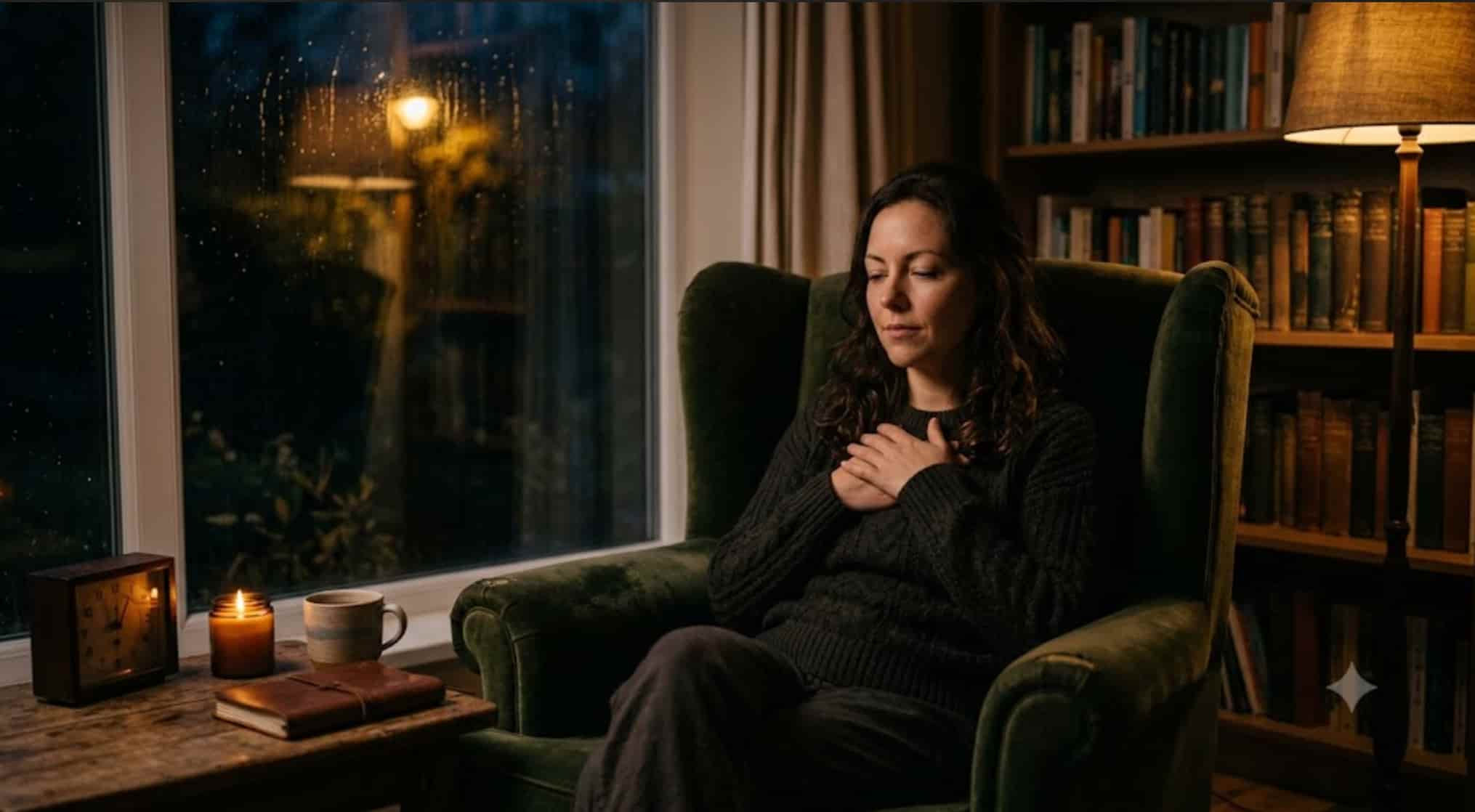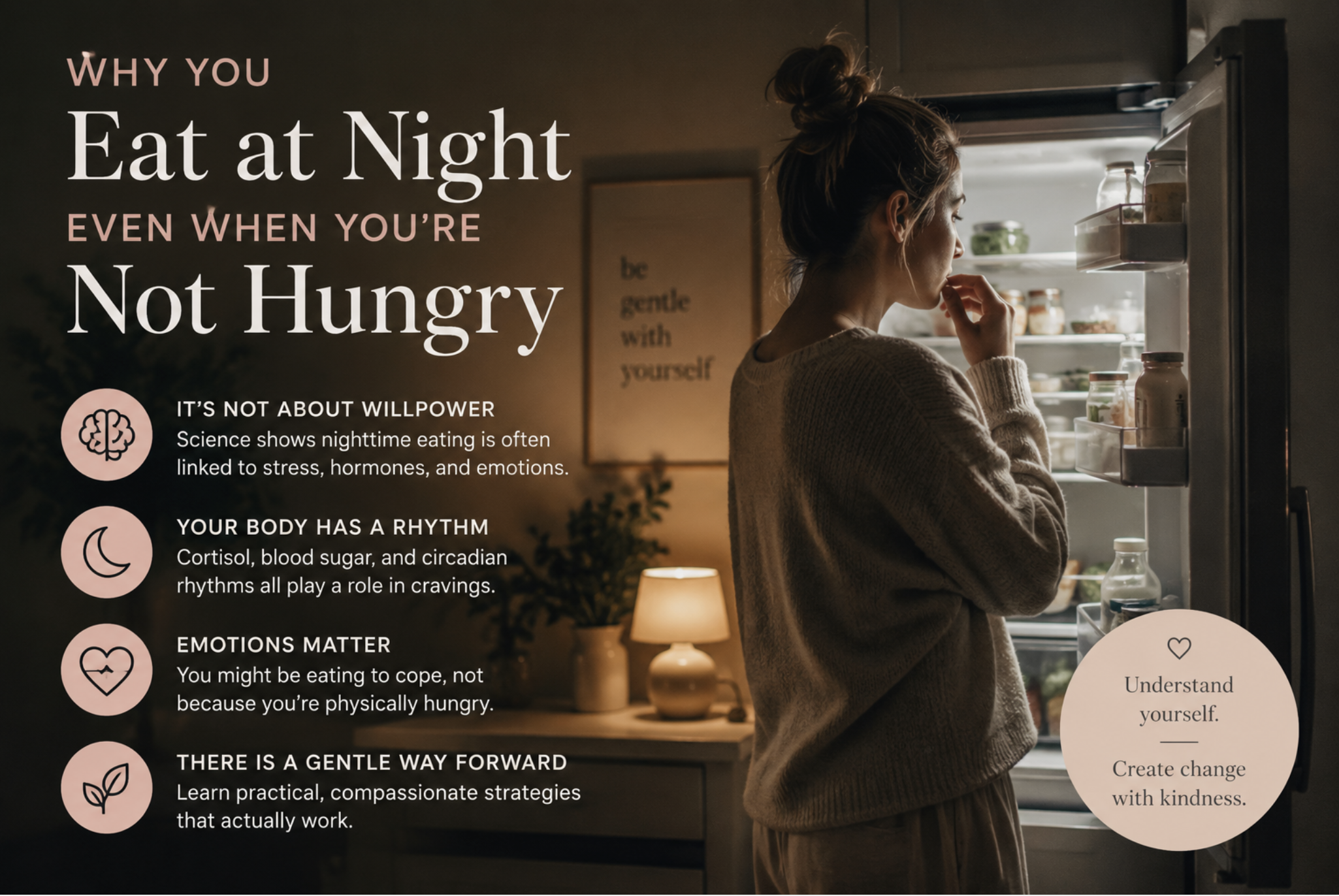
Respond Instead of React: Finding the Space Between Impulse and Action

The urge to reach for a late-night snack, check your phone, or snap after a demanding day usually happens in a fraction of a second. It feels less like a conscious choice and more like an automatic reflex.
When your nervous system is tired, reacting is the brain’s default setting—it wants the fastest route to relief. But learning to respond instead isn’t about suppressing your feelings or exerting iron willpower. It is simply about creating a small, quiet pause between the stimulus and your answer.
“Between stimulus and response there is a space. In that space is our power to choose our response. In our response lies our growth and our freedom.” — Viktor Frankl
The Core Difference: Reaction vs. Response
Understanding how these two states feel in your body helps you recognize them in real-time.
⚡ The Automatic Reaction
- Driven by: Survival instincts, exhaustion, and high cortisol levels.
- The feeling: Urgent, sharp, tense, and automatic.
- The phrase: “I need this right now, no matter what.”
- The outcome: Instant relief followed by guilt, confusion, or lingering tiredness.
🌿 The Thoughtful Response
- Driven by: Curious awareness and self-compassion.
- The feeling: Unhurried, grounded, and observant.
- The phrase: “I notice I feel an urge. What do I actually need?”
- The outcome: Sustainable comfort that genuinely restores your energy.
Why Reacting Happens Automatically at Night
Throughout the day, your brain’s prefrontal cortex—the area responsible for decision-making and self-regulation—works overtime. By the time evening arrives, decision fatigue sets in.
When energy is low, your mind shifts to automatic habits to protect you from extra effort. Reaching into the pantry, scrolling endlessly, or shutting down emotionally are simply ways your brain tries to create a boundary between you and the stress of the day.
Reacting is not a sign that you lack discipline. It is a signal that your system is running on empty.
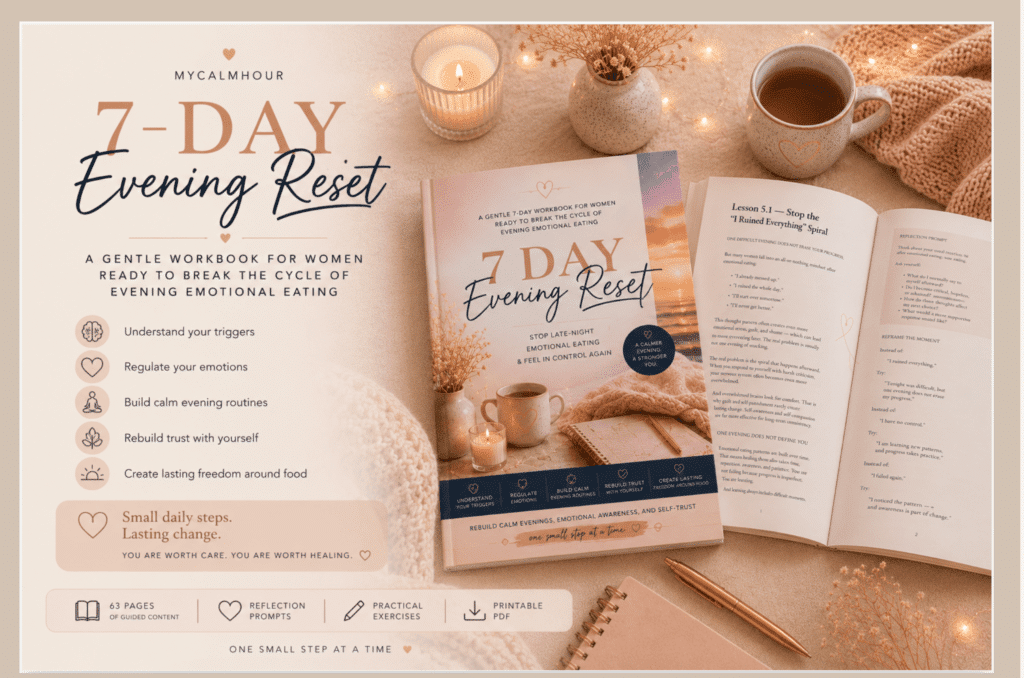
If this article resonated with you…
Discover what’s really behind your evening cravings.
The 7-Day Evening Reset Workbook helps you understand your emotional triggers through gentle reflection, calming practices and practical exercises.
How to Build the “Micro-Pause” (In Practice)
You don’t need a 30-minute meditation practice to stop reacting. You only need three seconds to shift from a reflex to a choice.
1. Name the Impulse
When you feel the sudden urge to grab food, grab your phone, or spiral into worry, name it quietly:
- “I am feeling the urge to soothe myself.”Naming a feeling activates the analytical part of your brain and immediately takes the edge off the urgency.
2. Take One Exhale
Inhale normally, but make your exhale slightly longer than your inhale. A long exhale signals directly to your vagus nerve that you are safe in this moment, softening the physical impulse.
3. Ask One Low-Pressure Question
Instead of asking “Should I do this?” (which invites judgment), ask:
- “What state am I trying to change right now?”Are you trying to move from stressed to calm? From lonely to connected? From bored to rested?
When Food or Distraction Is Your Chosen Response
Responding instead of reacting does not mean you never eat the snack or watch the show.
If you pause, check in with yourself, and decide that eating a warm bowl of food or watching a favorite movie is genuinely the best comfort available tonight—do it completely free of guilt.
Tonight, don’t focus on being perfect. Focus on finding that one-second pause between the urge and the action. That single breath is where peace begins.