How to Regulate Emotions Without Food

By evening, a lot of people are not reaching for food because they are hungry. They are reaching for relief. If you have been wondering how to regulate emotions without food, the first thing to know is this: you are not broken, and you are not lacking willpower. Very often, your body is simply asking for comfort in the quickest way it knows how.
Food can feel grounding, distracting, soothing, and familiar. That makes sense. After a long day of stress, overstimulation, decision-making, and emotional effort, eating can become a fast path to feeling better for a moment. The problem is not that you want comfort. The problem is that food has become your most reliable form of comfort.
Why food becomes emotional support
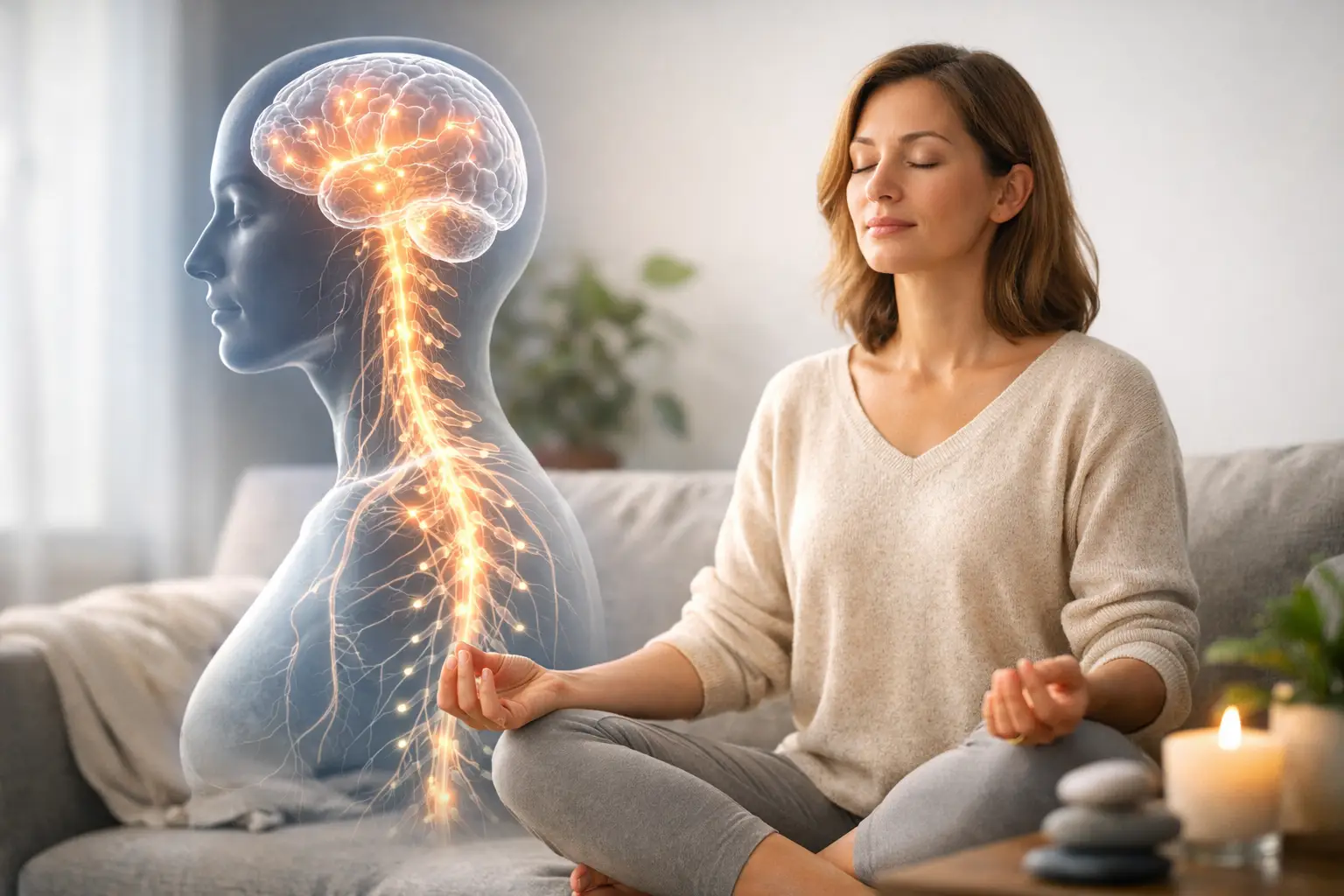
Your nervous system is always tracking whether you feel safe, supported, connected, and settled. When the day has been full of pressure, conflict, loneliness, or mental overload, your system may still be running fast long after dinner. In that state, cravings often show up as a self-soothing strategy.
This is why nighttime eating can feel so confusing. Part of you knows a snack will not solve the deeper feeling. Another part of you feels pulled toward it anyway. That pull is often less about hunger and more about regulation. Food is tangible, immediate, and predictable. Emotions are not.
When you see emotional eating through that lens, shame starts to soften. You are not failing. You are responding.
How to regulate emotions without food in real life
Learning a new response works best when it is gentle and specific. If you try to remove food without adding another source of comfort, your body will feel even more deprived. The goal is not to force yourself to sit with distress with no support. The goal is to offer support in a different form.
Start by pausing before you eat and asking, What am I needing right now? Not what is wrong with me. Not why am I doing this again. Just, what am I needing?
Sometimes the answer is rest. Sometimes it is softness, distraction, reassurance, or a transition between work mode and home mode. Naming the need can lower the intensity of the craving because it helps your brain shift from reacting to understanding.
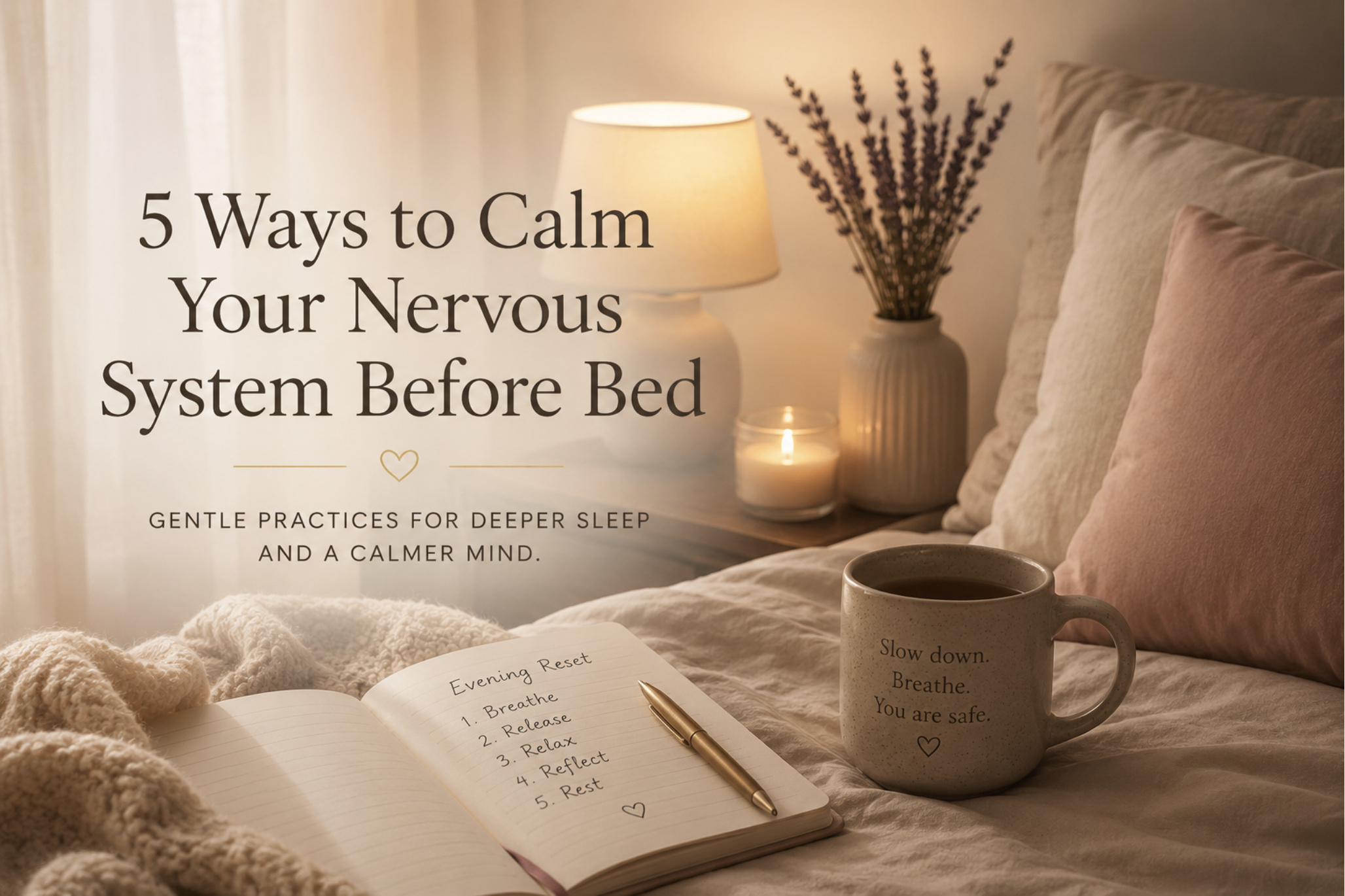
Then try to meet that need with one calming action before you decide about food. Keep it simple. Wrap up in a blanket. Drink something warm. Step outside for two minutes. Put a hand on your chest and breathe out slowly for longer than you breathe in. Write one honest sentence in a journal. Turn off the bright overhead light. None of these are dramatic, but that is the point. Regulation is often built through small signals of safety.
What actually helps when emotions feel big
Not every tool works every night. Some evenings you may need quiet. Other evenings you may need movement or connection. It helps to think in categories instead of perfect solutions.
If your body feels restless or agitated, physical regulation usually works better than overthinking. A slow walk around the room, stretching your shoulders, washing your face with warm water, or playing soft music can help discharge stress.
If you feel emotionally flooded, grounding can help more. Try noticing five things you can see, four things you can touch, and one thing that feels steady. This brings attention back into the present moment, where your body has a better chance of settling.
If what you really feel is emptiness or loneliness, food may be standing in for comfort and companionship. In that case, sending a voice note to a friend, sitting near a pet, or listening to a familiar guided meditation may soothe more deeply than another snack ever could.
When food is still part of the answer
Sometimes the kindest response is emotional support and a snack. That is worth saying clearly. If you are truly hungry, underfed, or have had a long stressful day with very little nourishment, your body may need food and regulation. It is not either-or.
This matters because many people swing between two extremes: eating automatically or trying to avoid eating at all costs. A calmer middle ground sounds more like this: I am going to check in, support myself, and respond to what is actually true.
That kind of trust takes time. It grows one gentle hour at a time.
Build an evening rhythm your body can lean on
The easiest way to regulate emotions without food is not to wait until you are already overwhelmed. A small evening ritual can reduce the emotional intensity that drives cravings in the first place.
That ritual does not need to be elaborate. In fact, simpler is often better. You might dim the lights after dinner, change into comfortable clothes, put your phone down for ten minutes, and make a cup of tea. You might sit in silence for five minutes before starting the next task. You might create a short wind-down routine that tells your nervous system, the hard part of the day is over now.
At My Calm Hour, this is the heart of the work: not controlling yourself more harshly, but creating conditions where your body no longer has to beg for relief through food.
If this is new for you, choose one practice for tonight. Not five. Not a whole new routine. Just one small act that helps you feel a little safer in your own body. That is where real change begins.