Why Your Vagus Nerve Loves Low Lighting and Soft Textures

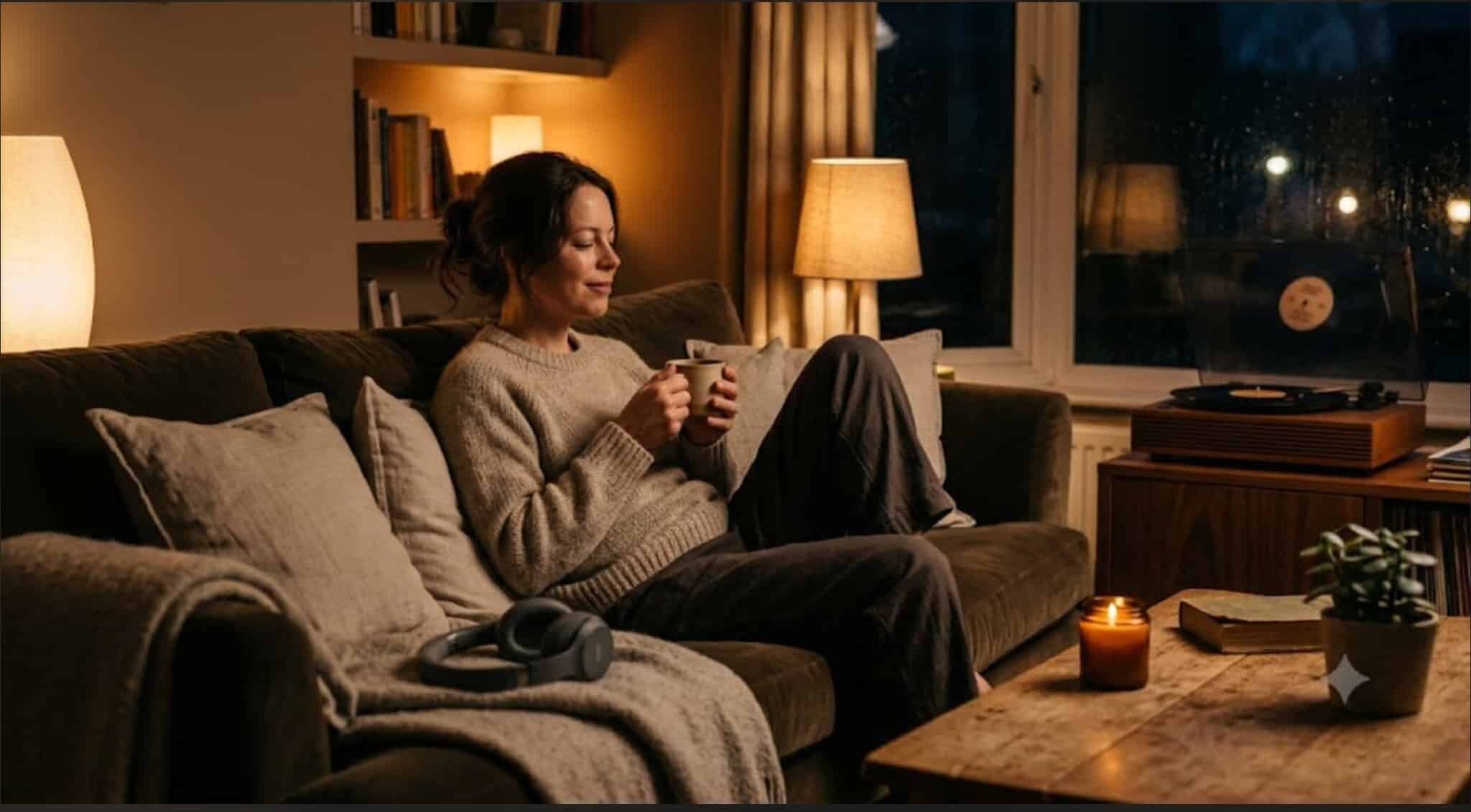
You wrap a heavy, woven blanket over your lap, switch off the glare of the main light, and instantly, a long exhale leaves your lungs. It happens before you even have time to consciously think about relaxing.
This immediate physical softening isn’t just in your head—it is a direct biological response from your vagus nerve.
While we often try to talk ourselves out of stress or force our minds to be quiet, your nervous system responds much faster to physical, sensory cues. Understanding how light and texture speak directly to your body’s main relaxation highway is one of the most effortless ways to restore true calm to your evenings.
“You cannot always reason your mind out of stress, but you can always signal safety to your body through touch and light.”
What Is the Vagus Nerve? (Your Internal Calming Highway)
The vagus nerve is the longest nerve in your body, running from your brainstem all the way down through your heart, lungs, and digestive system. It acts as the primary control center for your parasympathetic nervous system—the biological system responsible for “rest and digest.”
When your vagus nerve is stimulated in a gentle, supportive way:
- Your heart rate naturally slows down.
- Blood pressure drops, and muscles release physical tension.
- Cortisol (the primary stress hormone) decreases.
- Your digestive tract settles, reducing evening bloating or nervous stomach tightness.
Why the Vagus Nerve Reacts to Light
Your eyes are physically connected to your nervous system. For thousands of years, the human body associated bright, cool-toned light with high daylight hours—a time to hunt, work, build, and remain vigilant.
When you sit under harsh overhead LEDs or stare into a bright screen late at night, your vagus nerve receives a subtle threat signal: It is still daytime; stay alert.
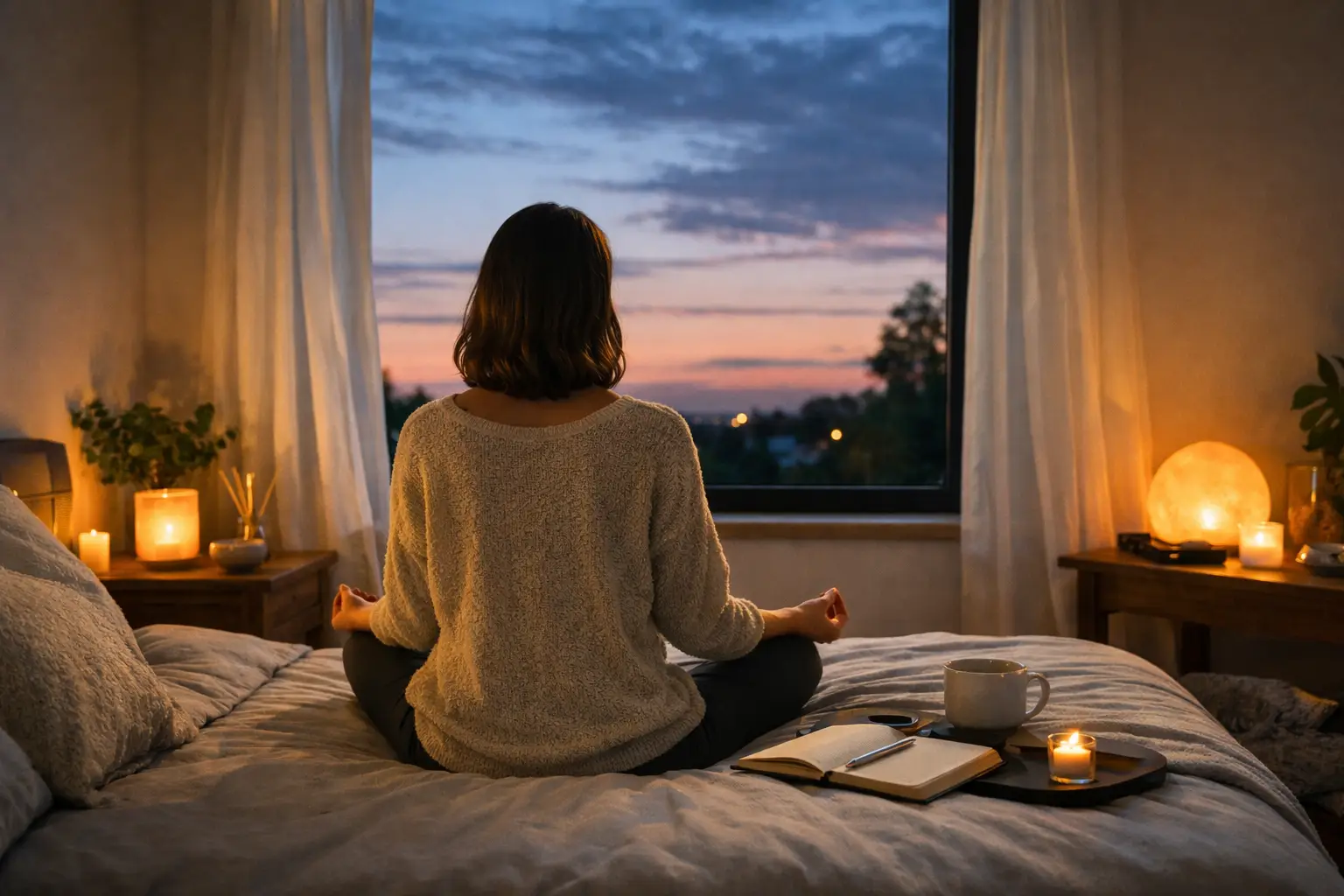
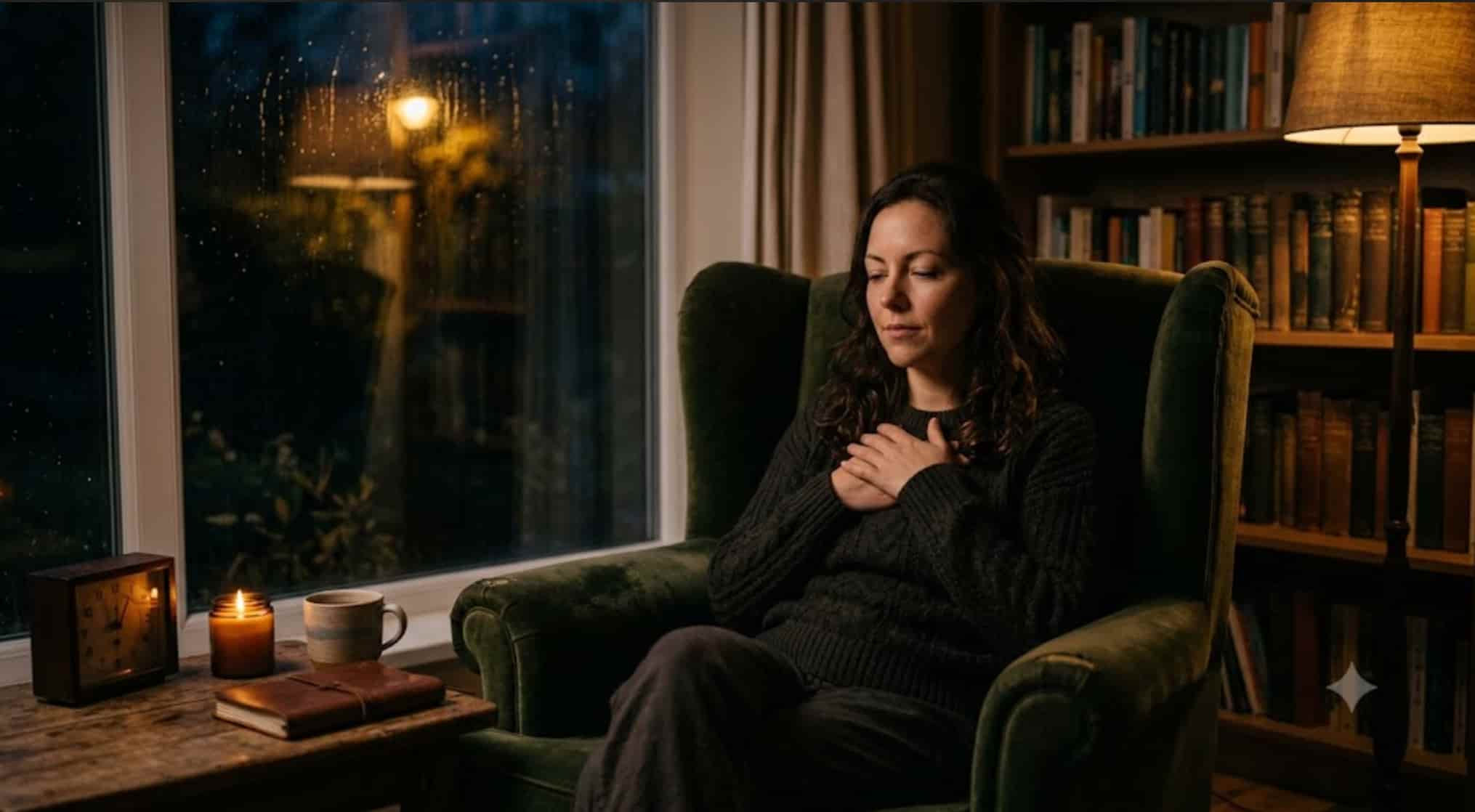
In contrast, low, warm-toned lighting (like candlelight, soft amber lamps, or the glow of a fireplace) mimics the natural spectrum of dusk. This shift in light temperature signals your vagus nerve to slow down heart rate and initiate the release of natural melatonin.
If this article resonated with you…
Discover what’s really behind your evening cravings.
The 7-Day Evening Reset Workbook helps you understand your emotional triggers through gentle reflection, calming practices and practical exercises.
The Power of Soft Textures: Somatosensory Safety
Touch is your body’s most direct emotional language. Your skin is packed with sensory receptors that communicate instantly with the brain.
Sharp, stiff clothing, cluttered surfaces, or cold air keep your body in a subtle state of physical defense. Soft, warm textures do the exact opposite:
- Gentle Pressure: The weight of a heavy blanket or cozy sweater activates deep pressure stimulation, which triggers the brain to release serotonin and oxytocin (the feeling-safe hormones).
- Tactile Grounding: Running your hands over a soft wool blanket, a warm ceramic mug, or smooth wooden beads gives your mind a physical anchor in the present moment, pulling focus away from racing thoughts.
Sensory Comparison: High Stress vs. Vagal Safety
| Sensory Channel | High-Alert State (Triggers Stress) | Vagal Safety State (Triggers Rest) |
| Lighting | Cool white LEDs, overhead ceiling lights, screen glare | Warm amber lamps, low-wattage bulbs, candlelight |
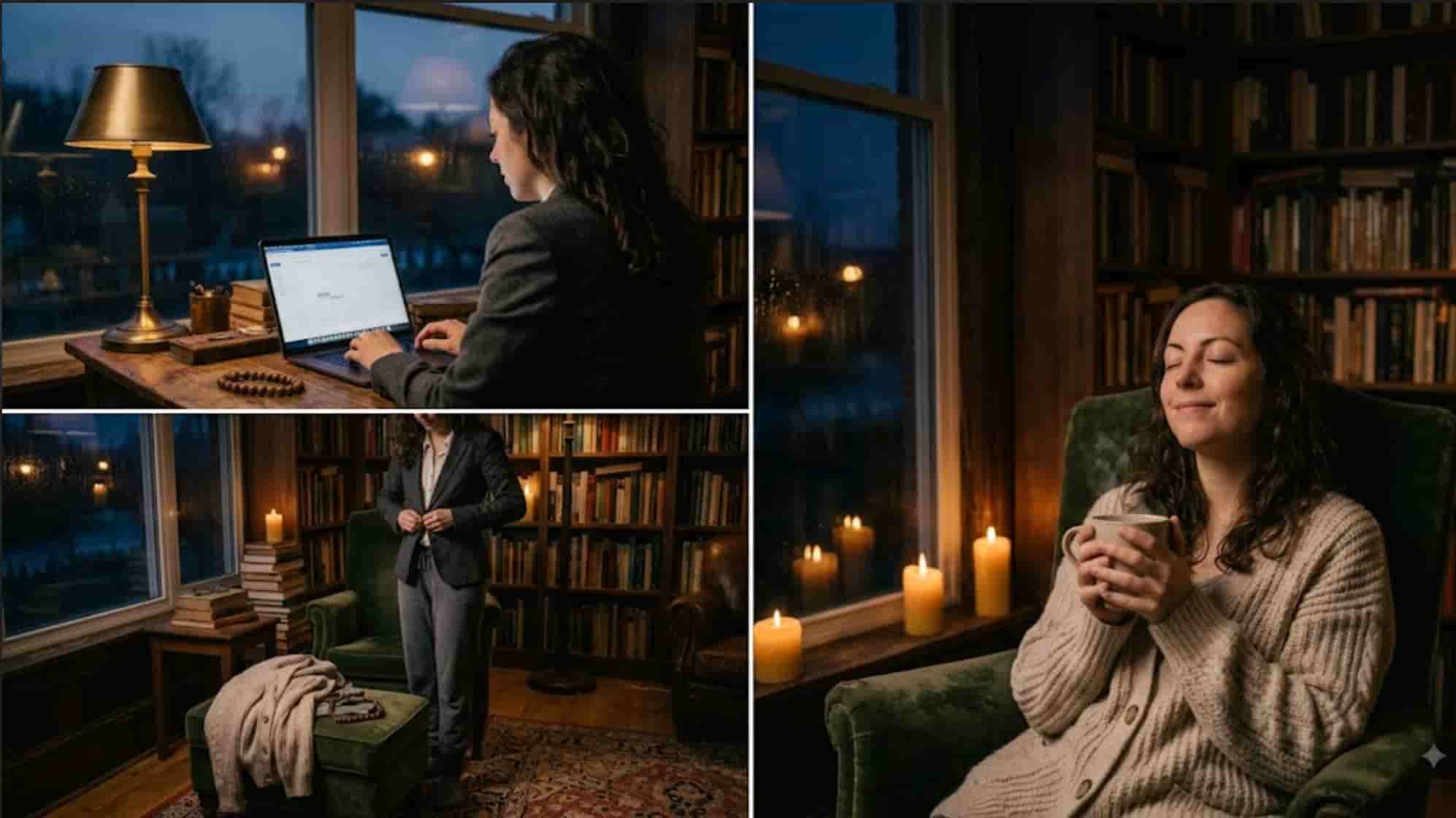
| Touch & Fabric | Tight waistbands, synthetic/scratchy clothes, cold room | Loose organic cotton, soft knits, weighted blankets |
| Visual Environment | Cluttered counters, open laptops, flashing screens | Minimal visual noise, warm neutral tones, clear space |
3 Ways to Engage Your Vagus Nerve Tonight
You don’t need complicated somatic exercises to tone your vagus nerve. Try these three soft, sensory shifts as you transition into your evening:
- The Lighting Drop: Two hours before bed, turn off all eye-level and ceiling lights. Rely only on lamps that sit lower than your eye line to signal dusk to your brain.
- Dress for Vagal Comfort: The moment you finish your day, change out of structured clothes into soft, loose fabrics that don’t constrict your belly or waist.
- The Weighted Pause: Sit on the couch and place a heavy cushion or folded blanket directly across your lap. Let your hands rest on top of it for three unhurried minutes.