Stress Eating After Work and Evening Cravings
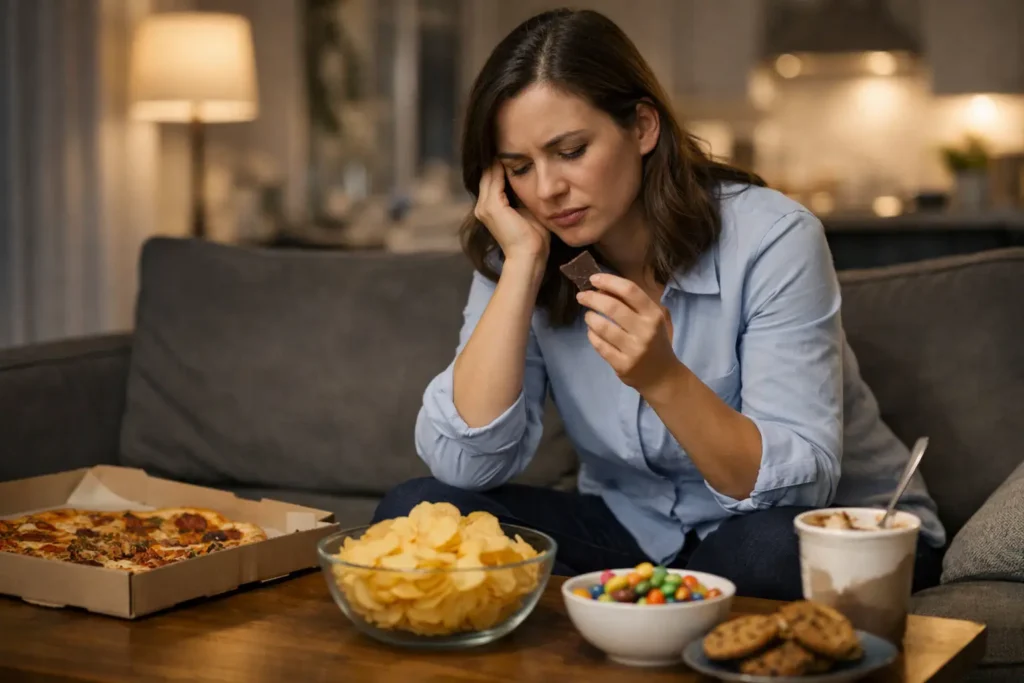
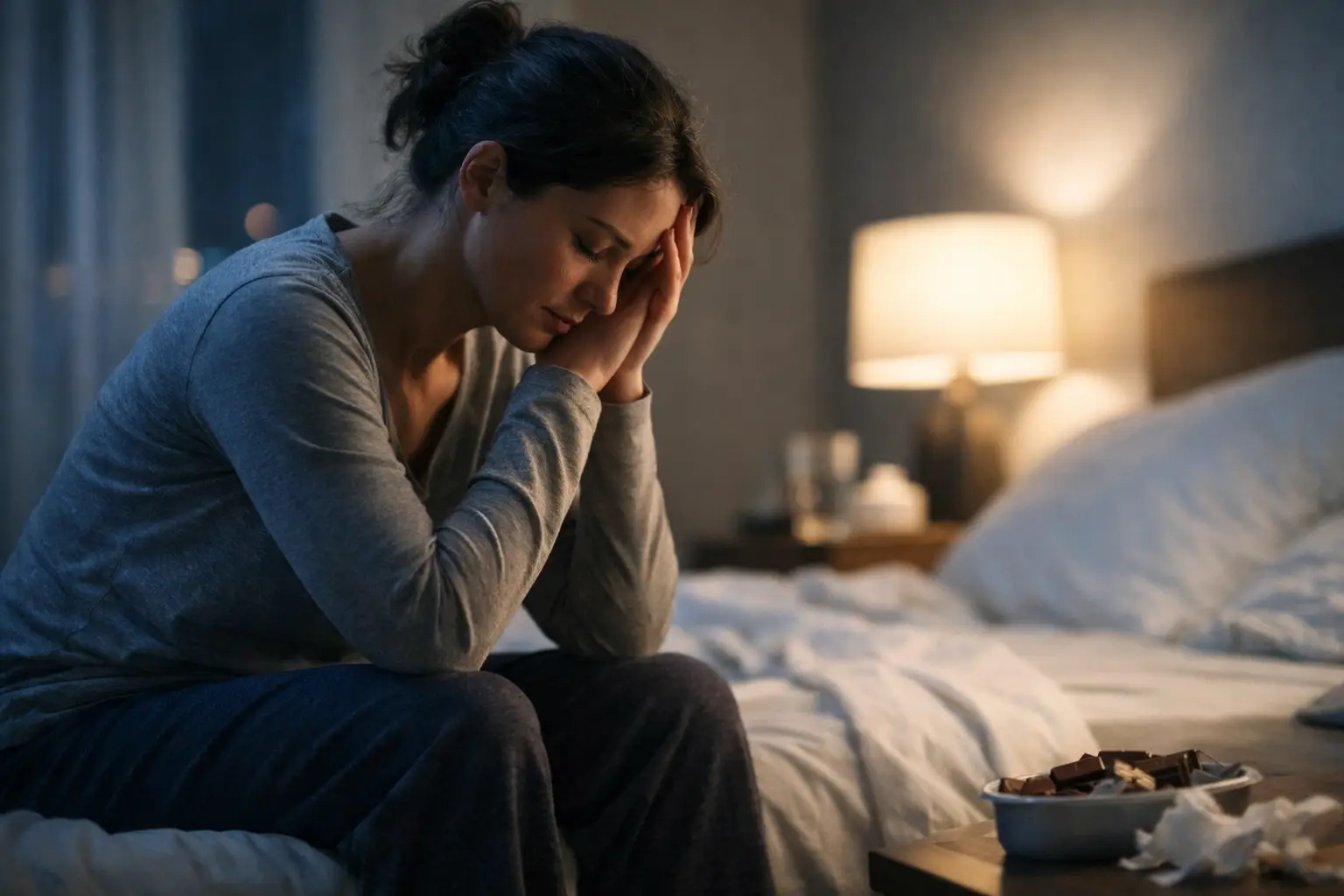
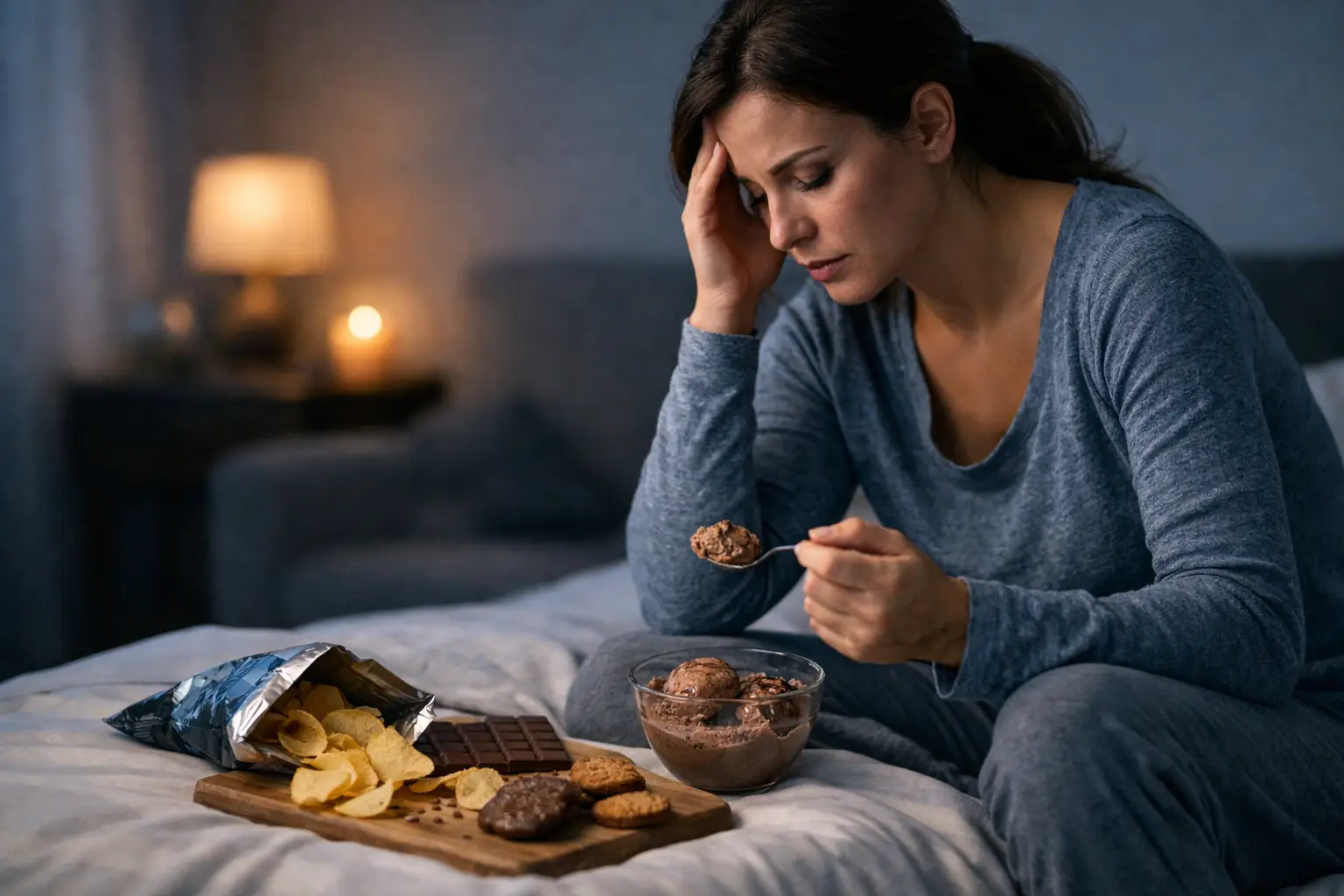
By 6 p.m., many people are not just tired. They are maxed out. If stress eating after work, feel strongest right when the day finally slows down, that does not mean you lack willpower. It often means your body has been holding too much for too long, and food has become the fastest path to comfort, relief, or emotional landing.
You are not broken. Evening eating can make perfect sense when you understand what your nervous system has been trying to do all day.
Why evening cravings hit so hard after work
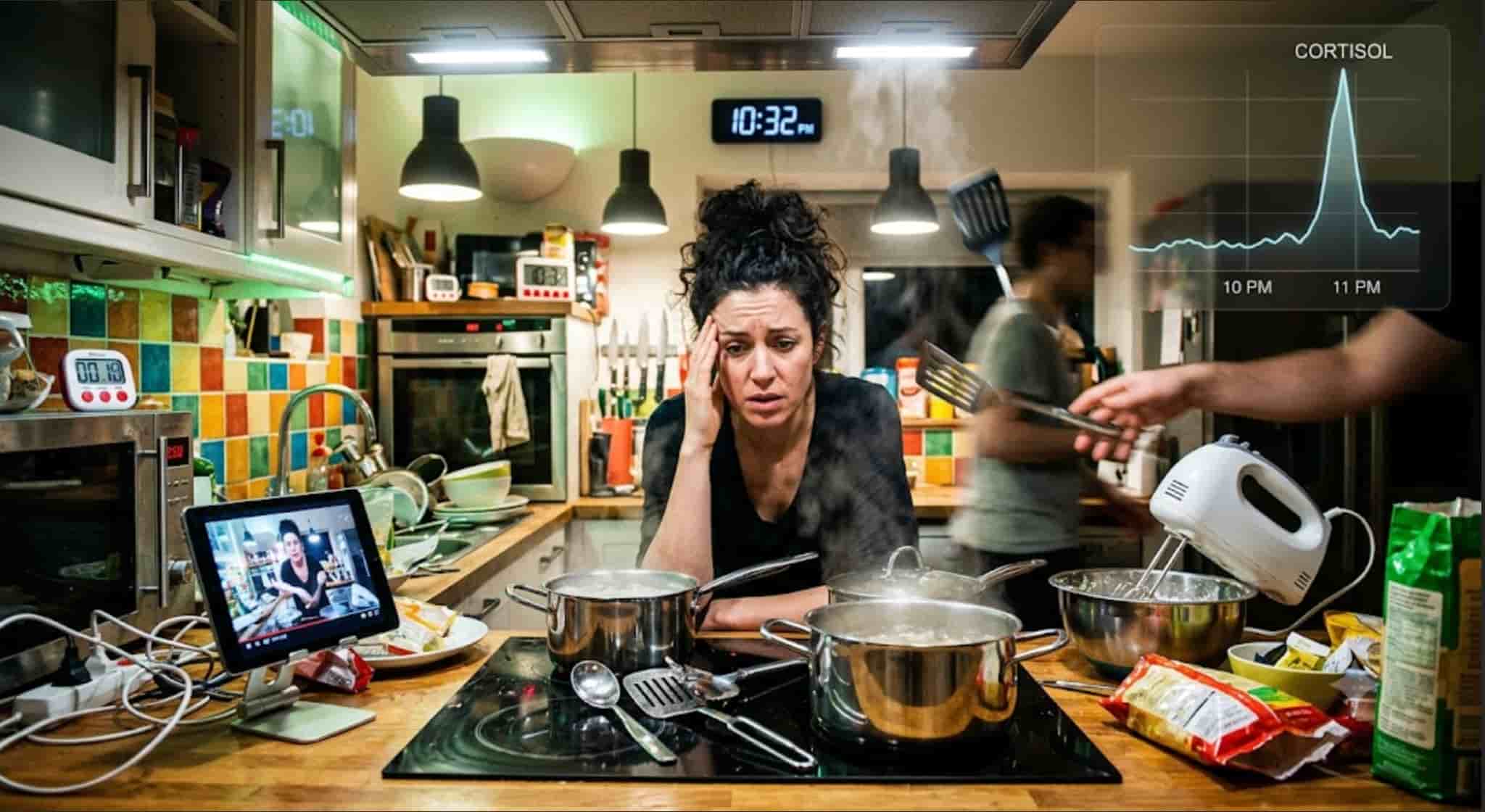
During the day, many women move through hours of pressure while staying highly functional. They answer messages, solve problems, care for other people, and push through stress without much space to pause. From the outside, everything may look fine. Inside, the body is often running on tension.
When evening finally arrives, that tension does not simply disappear. In fact, the moment things get quiet, the body may start asking for something soothing. Food is common because it is immediate, familiar, and reliably comforting. It can soften the edge of a hard day faster than most things.
This is why evening cravings are not always about physical hunger. Sometimes they are about decompression. Sometimes they are about emotional loneliness. Sometimes they are about the body trying to shift out of survival mode with the quickest tool available.
Stress eating after work is often a nervous system response
Stress affects appetite in different ways. Some people lose interest in food during the day, then feel suddenly ravenous at night. Others eat steadily all day but still crave sugar, crunch, or something rich once they are home. The pattern can vary, but the underlying need is often similar: regulation.
Highly palatable foods can create a temporary sense of grounding. They offer sensation, predictability, and a break from mental noise. That does not make you weak. It makes you human.
The hard part is that relief is usually short-lived. Afterward, many people feel confused or disappointed, which adds more stress to the next evening. That cycle can make food feel loaded with emotion when what you really need is a gentler way to come down from the day.
What to do before evening cravings take over
The most helpful shift is not trying to control yourself harder. It is creating a softer landing between work mode and home mode.
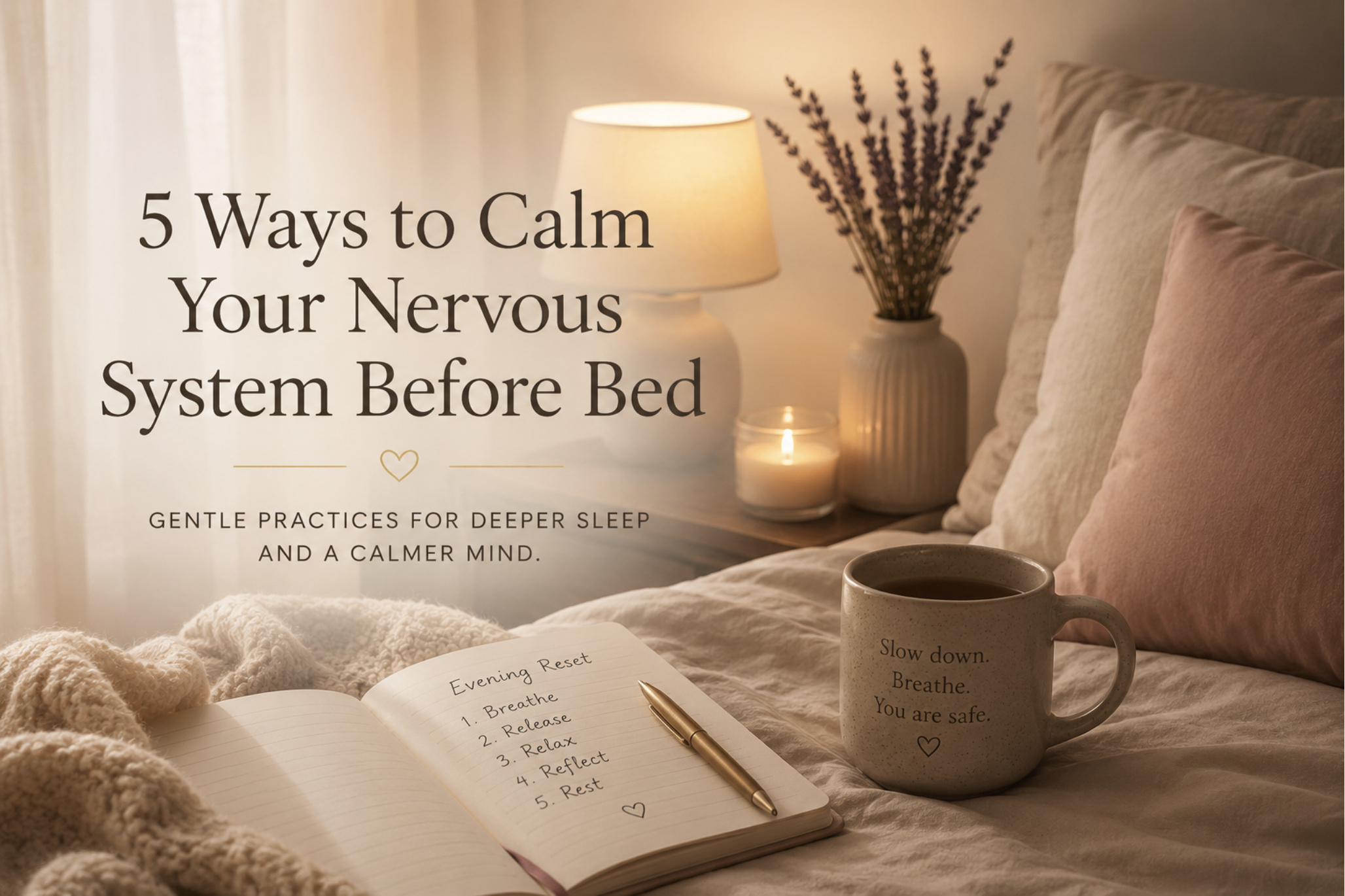
A transition ritual can help your body register that the stressful part of the day is over. This does not need to be elaborate. You might sit in your car for two minutes before going inside. You might change clothes, wash your face, make tea, or put one hand on your chest and take five slower breaths. Small signals matter.
It also helps to ask a different question when cravings appear. Instead of asking, “How do I stop eating?” try asking, “What is my body asking for right now besides food?” Sometimes the answer is rest. Sometimes it is comfort. Sometimes it is quiet, warmth, or the feeling that no one needs anything from you for a little while.
That question creates space. And space is often what stress-driven habits are missing.
Gentle ways to support yourself at night
If evenings are your most vulnerable time, it helps to lower the pressure and keep your support simple. A few practices tend to work well because they reduce overwhelm rather than adding more rules.
You might eat a satisfying dinner without multitasking, so your body has a better chance to register that it has been fed. You might build in ten minutes of true recovery before doing anything else at home. You might keep one comforting non-food ritual nearby, like a blanket, calming music, a shower, or journaling a few honest lines about the day.
There is also room for food to be comforting. The goal is not to remove comfort. The goal is to widen your options so food is not carrying the entire job of soothing you.
When cravings feel emotional, not physical
Sometimes the strongest evening cravings arrive after a hard conversation, a lonely night, or a day of feeling invisible. In those moments, eating may be less about taste and more about creating a sense of company or relief.
If that resonates, try meeting yourself with language that reduces shame. You might quietly say, “Of course this feels hard tonight,” or, “I need care, not criticism.” These small phrases can calm the inner threat response that often fuels the urge to keep eating past comfort.
This is the kind of healing that happens one gentle hour at a time. Not by becoming perfect, but by becoming safer to yourself.
A calmer way forward
If stress eating after work and evening cravings have become a familiar pattern, the answer is rarely more discipline. More often, it is more understanding. Your evenings may be showing you where your body is overextended, under-comforted, or still carrying the weight of the day.
Start small tonight. Give yourself one softer transition, one kinder question, or one calmer ritual before reaching for food. Sometimes that is where change begins – not in control, but in relief.