Why Do I Always Eat Emotionally at Night?
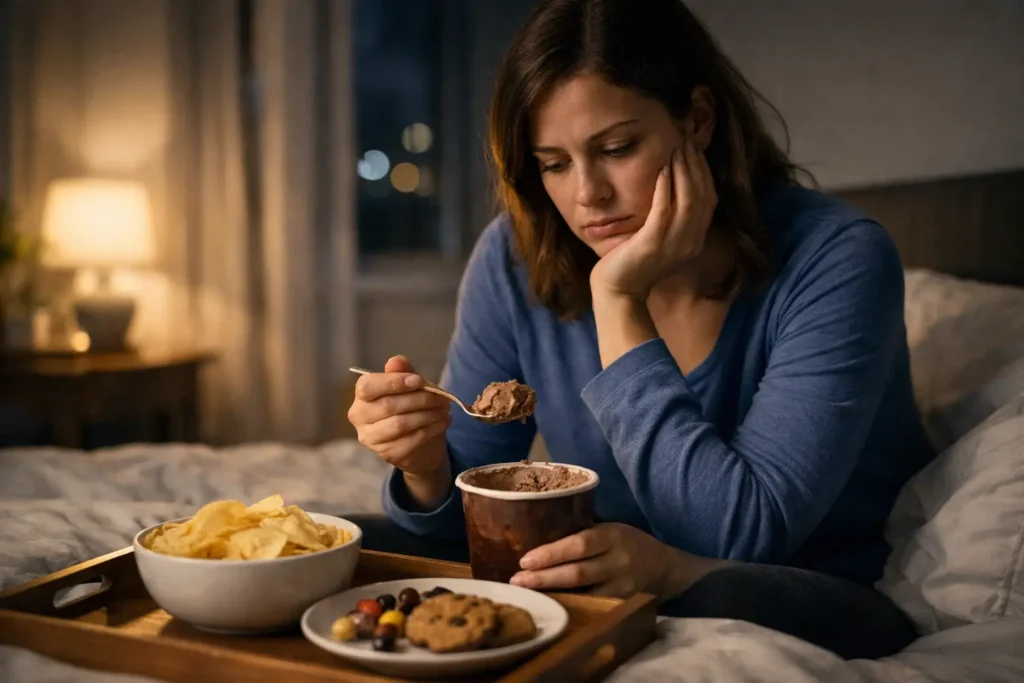
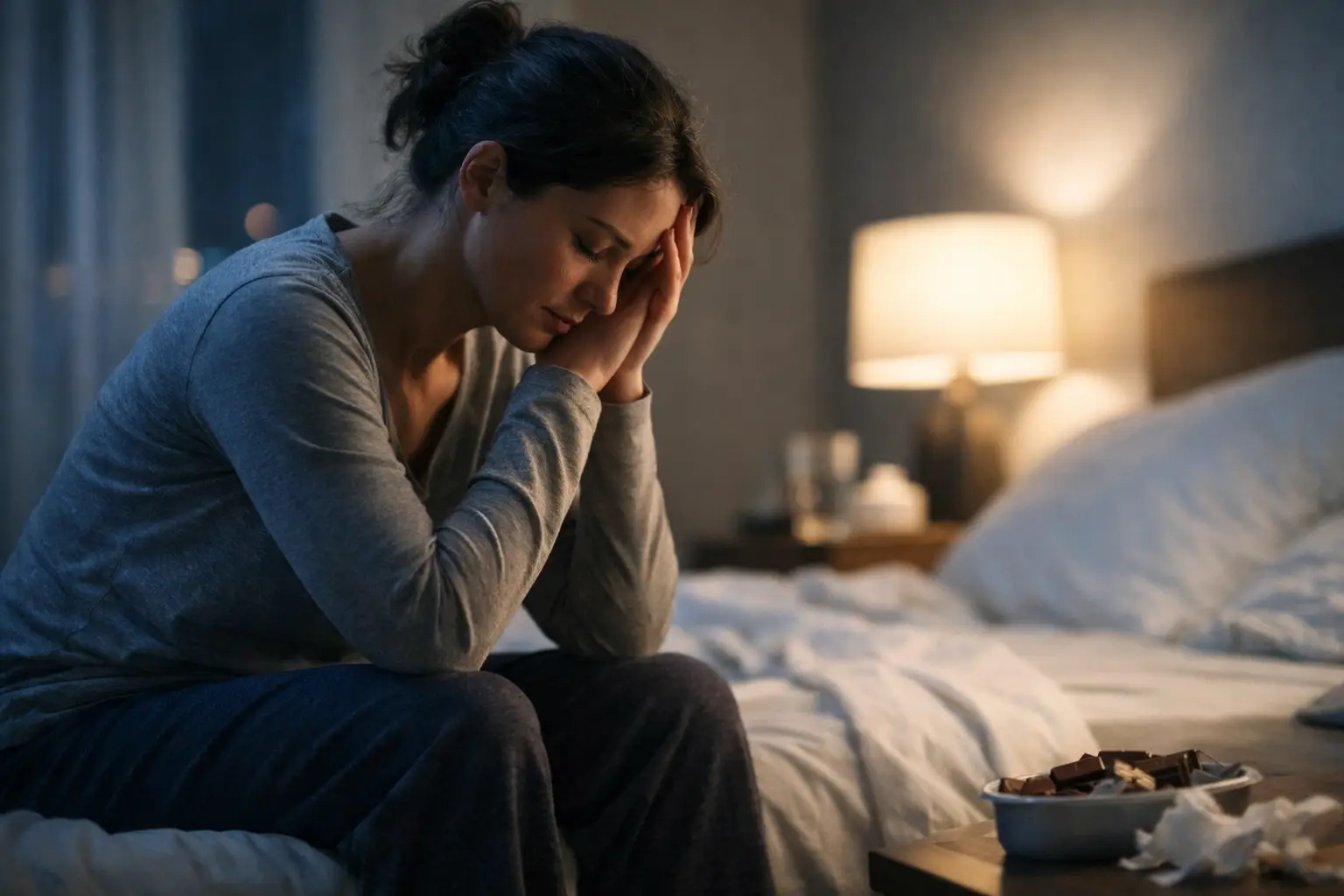
It usually starts quietly. The house gets calmer, the emails stop, the day finally loosens its grip – and suddenly the pull toward snacks, sweets, or second helpings feels almost magnetic. If you keep asking, why am I emotionally eating, especially at night, the answer is rarely a lack of willpower. More often, it is your body and mind asking for comfort, relief, or safety in the most familiar way they know.
You are not broken. And you are not failing at something simple. Emotional eating is often a deeply human response to stress, pressure, loneliness, overstimulation, or emotional depletion. Food can become a fast, reliable way to soften the edges of a hard day. When you understand that, the question shifts from What is wrong with me? to What am I really needing right now?
Why am I emotionally eating when the day ends?
For many people, evening is when emotional eating becomes loudest. During the day, you may be holding everything together – working, caregiving, problem-solving, staying pleasant, staying productive, staying on top of what everyone else needs. That kind of effort takes energy, even when you are good at it.
By nighttime, your nervous system may be tired, your emotional reserves may be thin, and your ability to keep pushing through may simply be gone. Food then steps in as a form of relief. Not because you are weak, but because your system is looking for a quick way to settle.
Sweet, salty, crunchy, or comforting foods can feel regulating for a reason. They offer stimulation, pleasure, predictability, and often a sense of being taken care of. If your evenings are the first moment you fully feel the weight of your day, emotional eating can become part of your body’s learned transition from stress to rest.
That does not mean it is the only way to cope. It just means it makes sense.
Emotional eating is often about regulation, not hunger
Physical hunger and emotional hunger can overlap, which is why this can feel confusing. Sometimes you are genuinely hungry. Sometimes you are emotionally drained. Sometimes it is both.
Emotional eating often shows up with urgency. It can feel sudden, specific, and hard to interrupt. You may not want just any food. You may want something that comforts quickly. There is usually a feeling underneath it – anxiety, boredom, loneliness, resentment, exhaustion, or even the strange emptiness that appears when a busy day finally ends.
This is where shame tends to rush in. But shame usually makes the cycle tighter. When you judge yourself harshly, your stress goes up, and stressed systems tend to reach for soothing again.
A gentler approach is to notice the pattern without accusing yourself. You might ask, What happened in the hour before this craving? Was I overwhelmed? Did I finally sit down? Did something upset me? Did I skip over my own needs all day? Those questions often reveal more than self-criticism ever will.
Common reasons you may be emotionally eating
Sometimes emotional eating is connected to one big stressor. More often, it grows from smaller repeated experiences that leave you depleted by evening.
One common reason is unprocessed stress. If your body stays in go mode all day, it may not know how to power down smoothly. Eating can become the bridge between tension and temporary calm.
Another is emotional suppression. If you spend the day being capable, agreeable, and composed, your feelings do not disappear. They wait. At night, when things get quiet, they can show up as cravings.
Loneliness can also play a role. Even people with full lives can feel emotionally alone. Food is not a substitute for connection, but it can create a brief feeling of warmth or company.
There is also simple exhaustion. When you are mentally and physically worn out, your capacity for reflection drops. Comfort becomes more appealing, and immediate relief wins over long-term intention.
And sometimes emotional eating is tied to habit. If your brain has learned that evening equals snack plus relief, it will start anticipating that pattern before you are even aware of it. This is not a moral failure. It is a well-worn neural pathway.
Why emotional eating can feel so hard to stop
If emotional eating were only about food, it would be easier to change. But for many people, it is attached to something much deeper – a pause, a reward, a sense of safety, or a way to soften emotional pain without having to explain it.
That is why simply telling yourself to stop often does not work. Removing a coping tool without adding support can leave you feeling even more exposed. Part of you may know the habit is not helping in the way you want, but another part still trusts it because it has been there for you.
This is where self-compassion matters. You do not have to approve of a pattern to understand why it formed. In fact, understanding is often what makes change possible.
When you respond to yourself with curiosity instead of control, you create a little more space between the feeling and the action. That space is where a new choice can begin.
What helps when you wonder why am I emotionally eating
The most helpful question is not How do I force this to stop tonight? A better question is What would help me feel a little safer, softer, or more supported this evening?
Sometimes the answer is food. Sometimes you really do need something nourishing and satisfying. But sometimes the craving is pointing toward another need that has been ignored.
Try slowing the moment down by just a few minutes. Not to deny yourself, but to check in. Put a hand on your chest or stomach and ask, What am I hoping this food will give me right now? Relief? Comfort? Quiet? A reward? Numbing? That small pause can be surprisingly powerful.
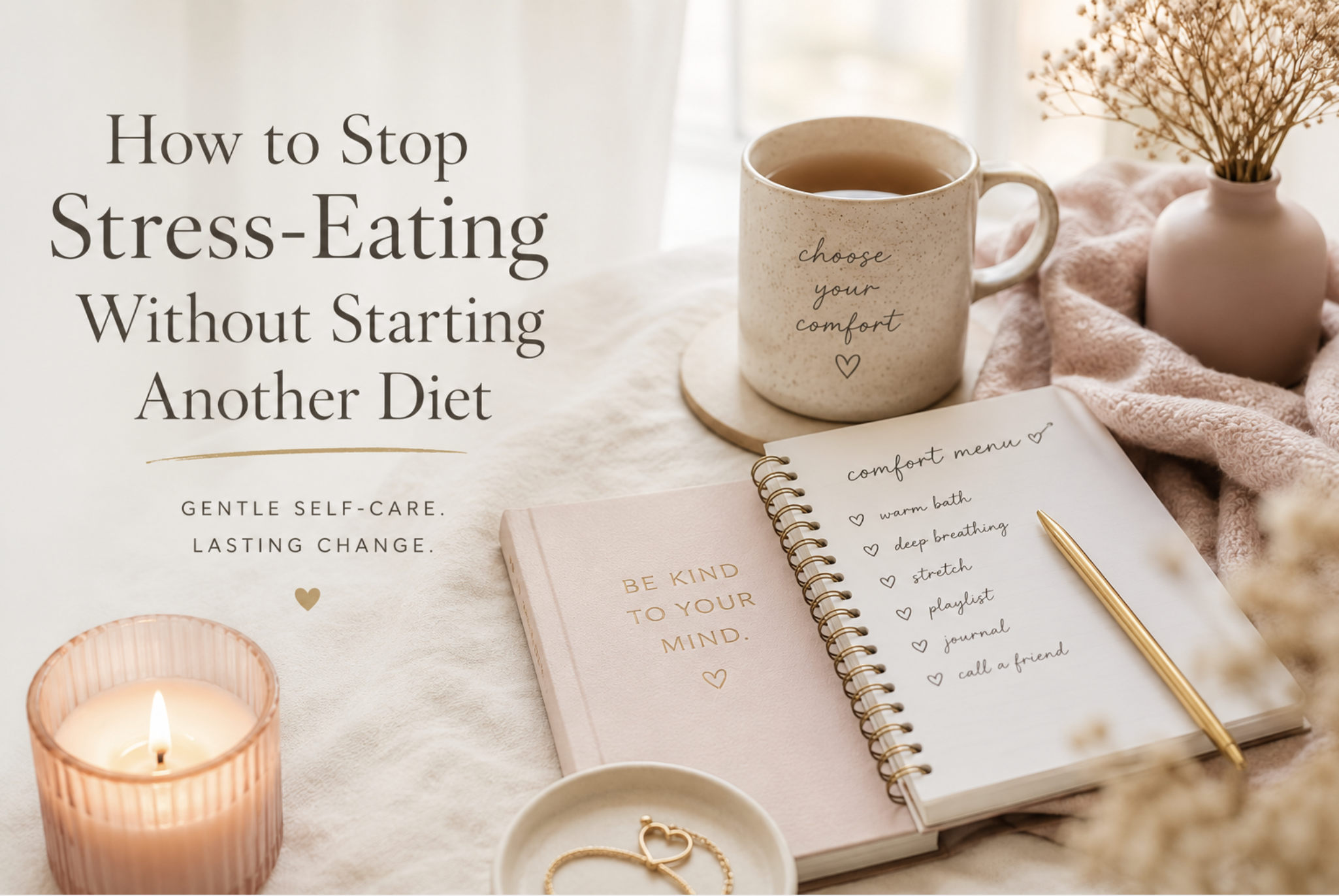
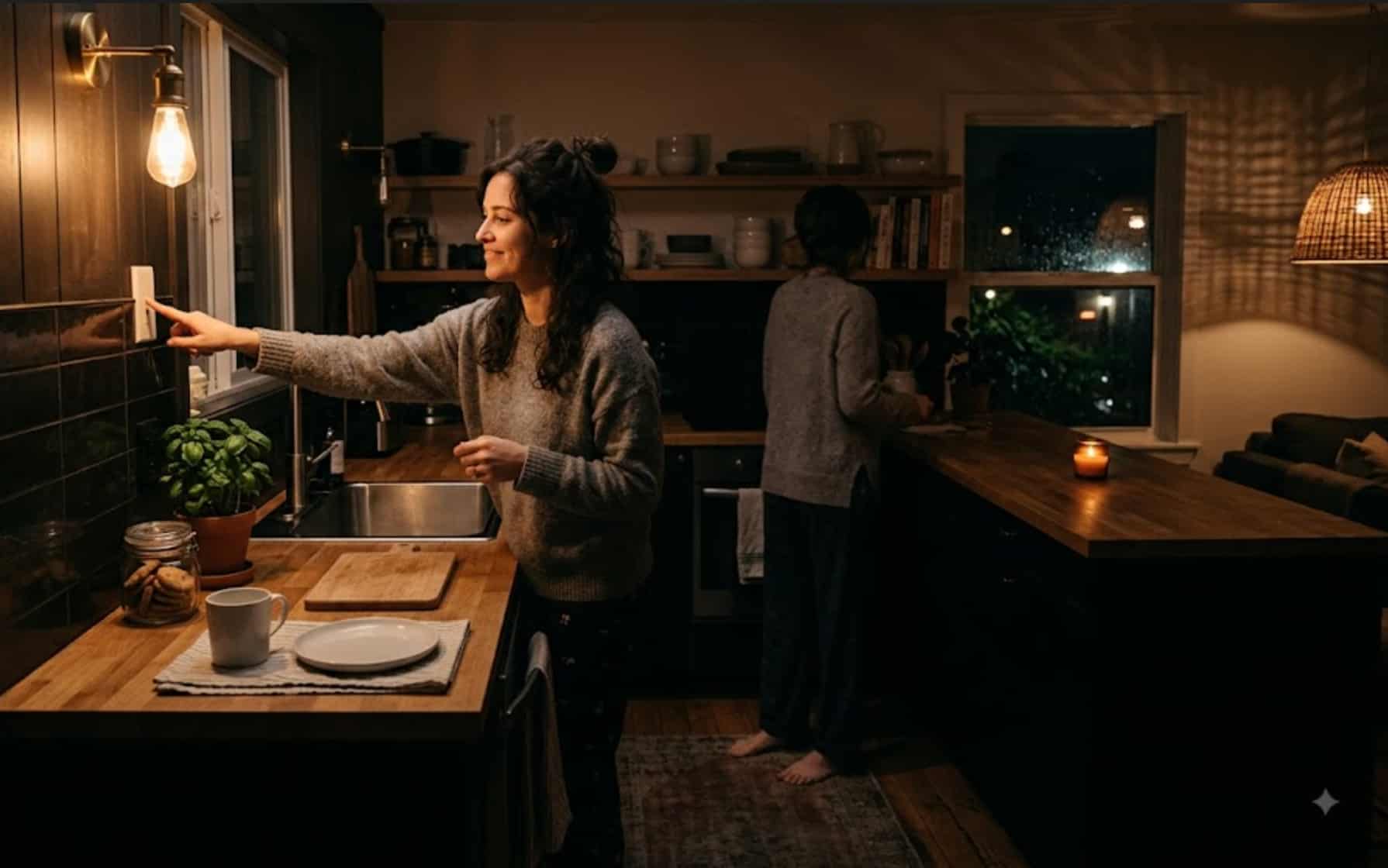
Then offer one gentle layer of support before or alongside eating. Make tea. Step into a warm shower. Turn off the bright kitchen light. Sit under a blanket. Play one calming song. Text someone safe. Write three honest lines in a notebook. None of these are magic, and they will not always remove the urge. But they can help your nervous system feel less alone in the moment.
It also helps to make evenings more intentional before cravings peak. Many people wait until they are already overwhelmed to offer themselves care. A softer approach is to build in tiny rituals earlier – a real pause after work, a few deep breaths before dinner, softer lighting, less scrolling, a comforting routine that signals the day is winding down. At My Calm Hour, this is the heart of the work: not controlling yourself more harshly, but helping your evenings feel safer to live inside.
Small shifts that support lasting change
Lasting change usually comes from reducing the need for emergency comfort, not from trying to become perfectly disciplined. That means paying attention to your whole evening experience.
Ask yourself whether your days leave any room for recovery. Notice whether you tend to dismiss your feelings until nighttime. Consider whether your evenings are your only source of pleasure or relief. These are not small details. They are often the roots of the pattern.
You may also find it helpful to track emotional eating gently for a week. Not every bite, and not with judgment. Just the context. What time was it? What were you feeling? What had the day been like? What did the food seem to do for you afterward? Patterns often become clearer when you are not trying to fix them mid-craving.
Some nights, you will still eat emotionally. That does not erase your progress. If anything, the goal is to recover differently from those moments. Instead of spiraling into guilt, you can practice saying, I see what happened. I was overwhelmed. I needed comfort. Next time, I want to support myself a little earlier.
That is how trust gets rebuilt.
Emotional eating is not a sign that you lack strength. Often, it is a sign that you have been strong for too long without enough softness, rest, or support. If food has become your way of making it through the evening, there is a reason. And reasons can be understood with care.
Tonight, you do not need to fix everything. You only need one small act of kindness that helps your body feel a little more settled, one gentle hour at a time.