Why Willpower Feels Stronger in the Morning

By 9 p.m., many people are asking themselves the same painful question: if I was doing fine this morning, why does everything feel so much harder now? Why Willpower Feels Stronger in the Morning Than at Night is not really a mystery of character. It is usually a story about energy, stress, and what your nervous system has been carrying all day.
That matters, especially if evenings are when cravings, emotional eating, or the urge to self-soothe tend to show up. You are not broken, and you are not failing some test of discipline. Morning and evening are simply very different internal environments.
Why willpower feels stronger in the morning than at night
In the morning, your brain has usually had some amount of rest. Even if sleep is not perfect, you are often starting the day with more mental bandwidth than you have later on. Decision-making, emotional regulation, and impulse control all rely on brain resources that can feel thinner by evening.
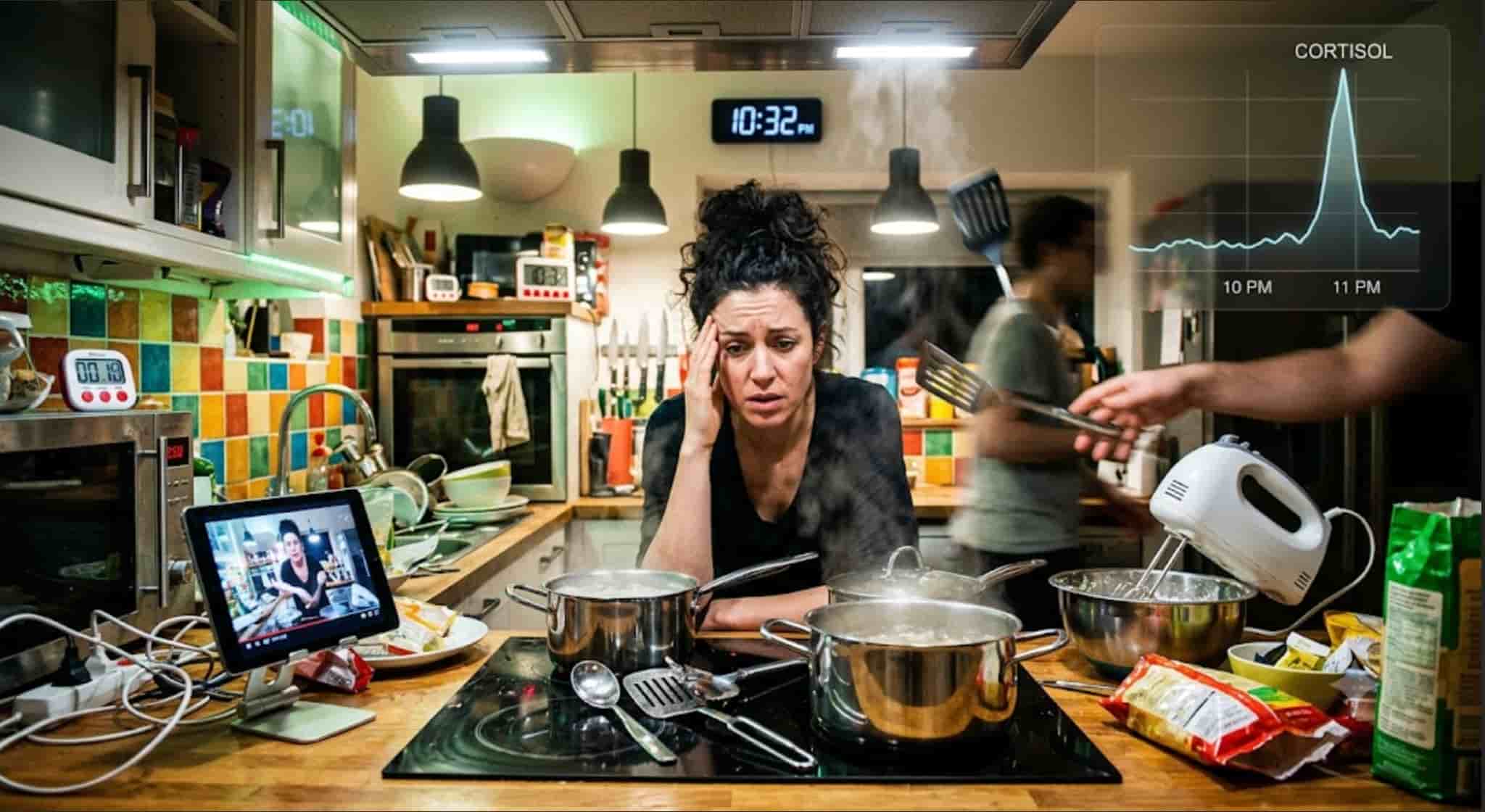
As the day goes on, life keeps making withdrawals. Work stress, caregiving, noise, deadlines, overstimulation, social pressure, and the effort of simply holding yourself together all add up. By nighttime, your system may not be looking for pleasure as much as relief.
That is one reason evening eating can feel so confusing. You may tell yourself you should be able to resist, but your body is not having the same conversation. It may be asking for comfort, grounding, or a sense of safety after hours of output.
Your evening brain is not your morning brain
It helps to think less in terms of willpower and more in terms of capacity. In the morning, your capacity is often higher. You can pause, plan, and follow through more easily. At night, especially after a demanding day, that pause can disappear.
Stress hormones also shape this pattern. When your nervous system spends the day in a low-grade survival state, your brain becomes more interested in immediate soothing. Foods that feel comforting can become especially appealing because they offer quick sensory relief. That does not mean food is the enemy. It means your body has learned that eating is one accessible way to come down.
There is also a simple emotional truth here: evenings are quieter. During the day, busyness can keep feelings tucked away. At night, loneliness, resentment, exhaustion, boredom, or sadness can become louder. What looks like weak willpower is often unprocessed emotion finally asking to be felt.
Why nighttime cravings feel so personal
Because cravings happen when you are alone with yourself, they can feel loaded with shame. Many people assume, if I really wanted to stop, I would stop. But that belief misses how much self-control depends on context.
A well-rested, supported, emotionally steady version of you will make different choices than an overwhelmed, undernourished, overstimulated version of you. That is not hypocrisy. That is biology meeting life.
This is also why strict self-talk rarely helps in the evening. If your system already feels strained, criticism adds more threat. And when the body feels threatened, it usually does not become calmer or more regulated. It looks for relief faster.
What helps more than trying harder
If evenings are difficult, the gentlest shift is to stop making the problem purely about food. Ask instead, what state am I in by the end of the day?
Sometimes the answer is depleted. Sometimes it is emotionally flooded. Sometimes it is disconnected and running on fumes. When you understand the state underneath the craving, your next step becomes clearer.
A supportive evening does not need to be elaborate. It might mean eating regularly enough during the day so you are not arriving at night already vulnerable. It might mean a transition ritual after work, like changing clothes, dimming the lights, washing your face, or sitting in silence for five minutes before entering the rest of the evening. It might mean noticing the urge to snack and asking, do I need food, comfort, rest, or a softer landing?
Small forms of regulation often help more than big acts of control. Warm tea, a simple meal, slow music, a shower, journaling a few honest sentences, or putting one hand on your chest and taking a longer exhale can all send a different message to the body: you are safe now, and you do not have to keep pushing.
A more compassionate way to think about self-control
Willpower is not a fixed trait that some people have and others do not. It rises and falls with sleep, stress, nourishment, emotional load, hormones, and environment. Some nights, you will have more capacity. Some nights, less. That does not make you inconsistent. It makes you human.
At My Calm Hour, we often return to one simple idea: evening struggles make more sense when you look at the whole day. The goal is not to become perfectly disciplined at night. The goal is to create evenings that ask less of your already tired nervous system.
So if tonight feels harder than this morning did, try not to turn that into a verdict about yourself. Let it be information. Your body may not need more pressure. It may just need a gentler place to land.