Haptics Over Habits: Why Keeping Your Hands Busy Reduces Cravings

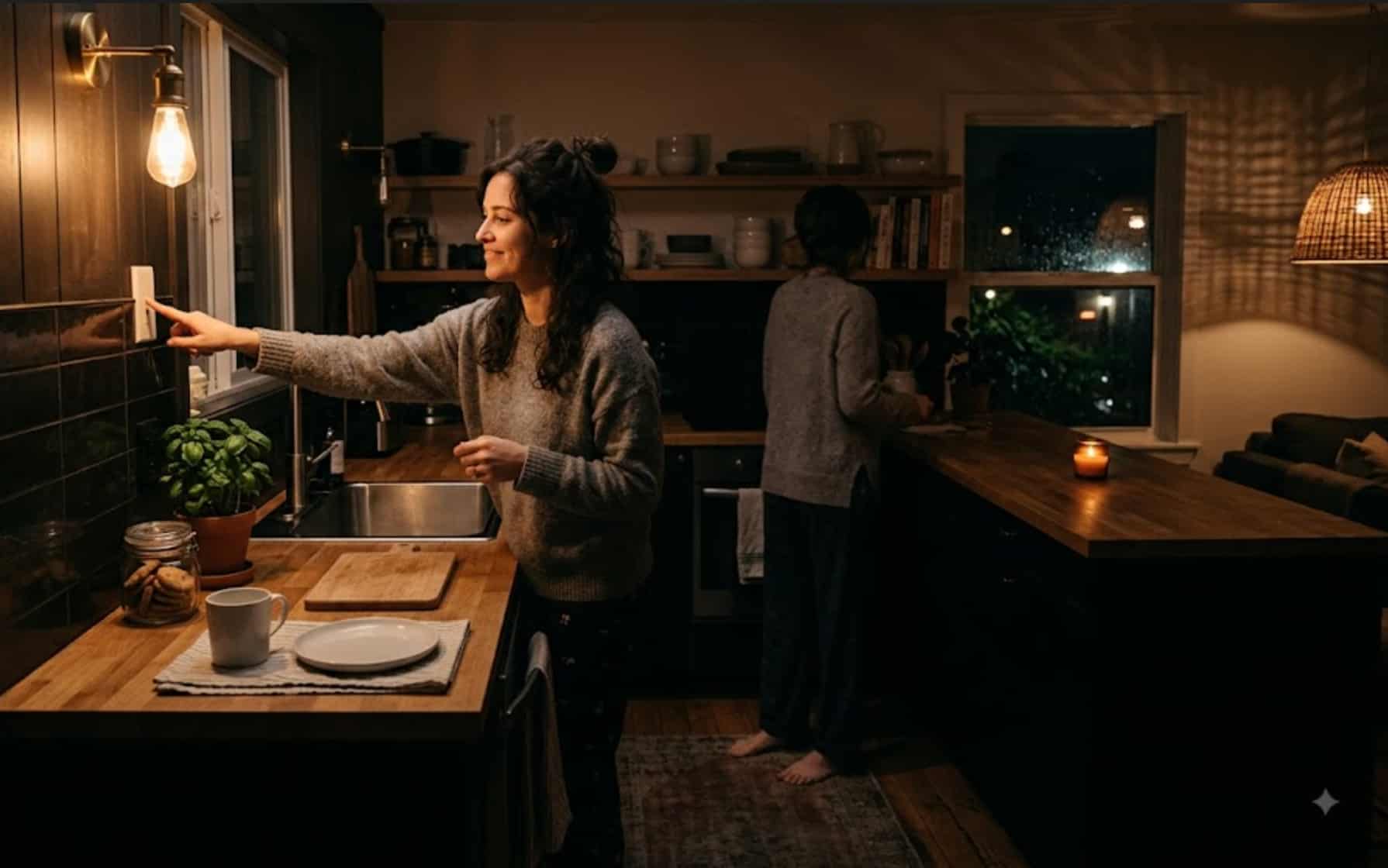
You are sitting on the couch after dinner, having finished a nutritious meal. You aren’t physically hungry, yet your hands feel strangely restless. They reach for your phone, scroll aimlessly for a few minutes, and before you know it, you are standing in front of the pantry, reaching for a box of cookies or a bag of chips.
When your brain is tired, transition-weary, or processing unprocessed daytime tension, your nervous system craves grounding physical input. By understanding the concept of Haptics Over Habits, you can give your hands the tactile feedback they are actually searching for—without needing to rely on food or screens to unwind.
“Often, your hands aren’t reaching for food because you are hungry. They are reaching for touch, texture, and a physical anchor to ground your busy mind.”
What Is Haptic Grounding?
The word haptic comes from the Greek haptikos, meaning “pertaining to the sense of touch.” Haptic feedback includes everything your skin feels: texture, pressure, temperature, weight, and subtle fine-motor movements.
Your fingertips are packed with some of the highest densities of nerve endings (mechanoreceptors) in your entire body. These nerve endings communicate directly with the sensory cortex in your brain—the same region intimately linked to emotional processing and the brain’s reward system.
When you experience internal unrest or fatigue late at night, your brain seeks immediate sensory grounding. Feeding your mouth or scrolling with your thumb are simply two of the easiest, most accessible haptic habits you have learned.
Evening Stress / Restlessness → Restless Hands Seek Grounding → Hand-to-Mouth Habit (Snacking)
                                           ↓
                                Alternative Haptic Input → Direct Sensory Calm (No Food Needed)
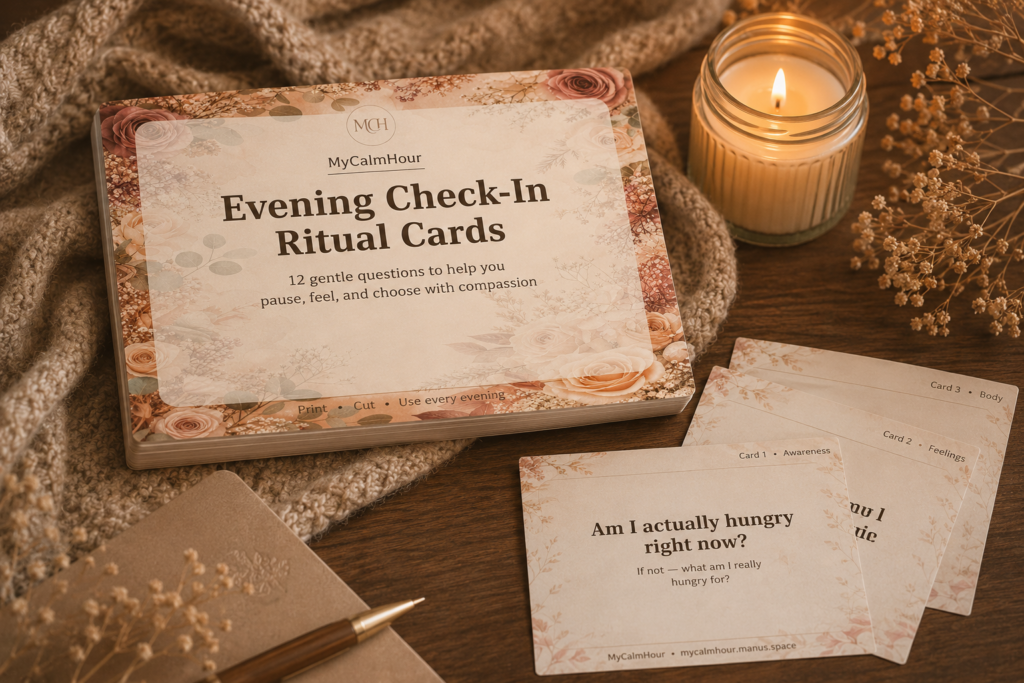
If this article resonated with you…
Pause before the craving takes over.
The Evening Check-In Ritual Cards offer 12 gentle prompts to help you slow down, reconnect with your emotions and respond with self-compassion instead of autopilot.
The Hand-to-Mouth Reflex and Brain Chemistry
From early childhood, the hand-to-mouth motion is deeply hardwired into human survival. Bringing something to your mouth activates the vagus nerve endings around the lips and palate, releasing small bursts of soothing dopamine.
When you keep your hands occupied with gentle, non-food tactile activities, you fulfill two key nervous system needs simultaneously:
- Sensory Occupancy: Fine-motor tactile tasks occupy your hands and brain, breaking the automatic reflex loop of mindlessly reaching for food.
- Dopamine Substitution: Feeling interesting textures or making rhythmic hand movements releases steady, subtle micro-dopamine without the blood-sugar spikes caused by late-night snacks.
High-Friction Habits vs. Calming Haptic Alternatives
| State | Typical Automatic Habit | Calming Haptic Alternative |
| Bored / Unfocused | Mindless screen scrolling & pantry trips | Knitting, folding laundry, or holding a tactile stress stone |
| Anxious / Restless | Picking at nails, fast snacking | Kneading a warm weighted pillow, tactile clay, or worry beads |
| Transitioning to Rest | Eating chips while watching TV | Sipping a warm ceramic mug with both hands, soft hand massage |
3 Simple Haptic Practices to Try Tonight
You don’t need complex art projects or expensive tools to benefit from haptic grounding. Try keeping one of these low-effort tactile anchors near your evening spot:
1. The Two-Handed Mug Hold
Whenever you feel the urge to snack out of restlessness, pour a cup of warm, caffeine-free herbal tea or warm water. Wrap both hands completely around the warm ceramic mug. Focus on the heat transferring into your palms for three full breaths before taking a sip.
2. Keepsake Tactile Anchors
Keep a tactile object on your side table or desk—such as a smooth river stone, a wooden grounding bead string, or a piece of textured fabric. When you sit on the couch, pick up the object and let your fingers explore its edges instead of reaching for your phone.
3. Gentle Hand Lotion Massage
Keep a tube of rich, pleasantly scented hand cream near your couch or bed. Spend two unhurried minutes slowly massaging the cream into your palms, knuckles, and fingers. This combines deep pressure stimulation (DPS) with tactile grounding, sending instant safety signals to your vagus nerve.
A Gentle Reframe for Tonight
Ask yourself gently: “Do my hands just need something soft or warm to touch?”
Give your hands a quiet job to do, let them feel a comforting texture, and allow your body to receive the physical grounding it has been searching for all day.