Why Evenings Feel Harder (It’s Not a Willpower Problem)
If you find yourself raiding the pantry at 8 PM, it’s easy to blame a lack of self-control. Most people assume that after a long day, their discipline simply runs out. But if you’re struggling with evening emotional eating, the real issue usually has very little to do with willpower.
Your nighttime food cravings are not a character flaw. They are a predictable, physiological response from a depleted nervous system searching for a fast way to unwind and feel safe.

The Evening Shift: Why Your Nervous System Reaches for Food
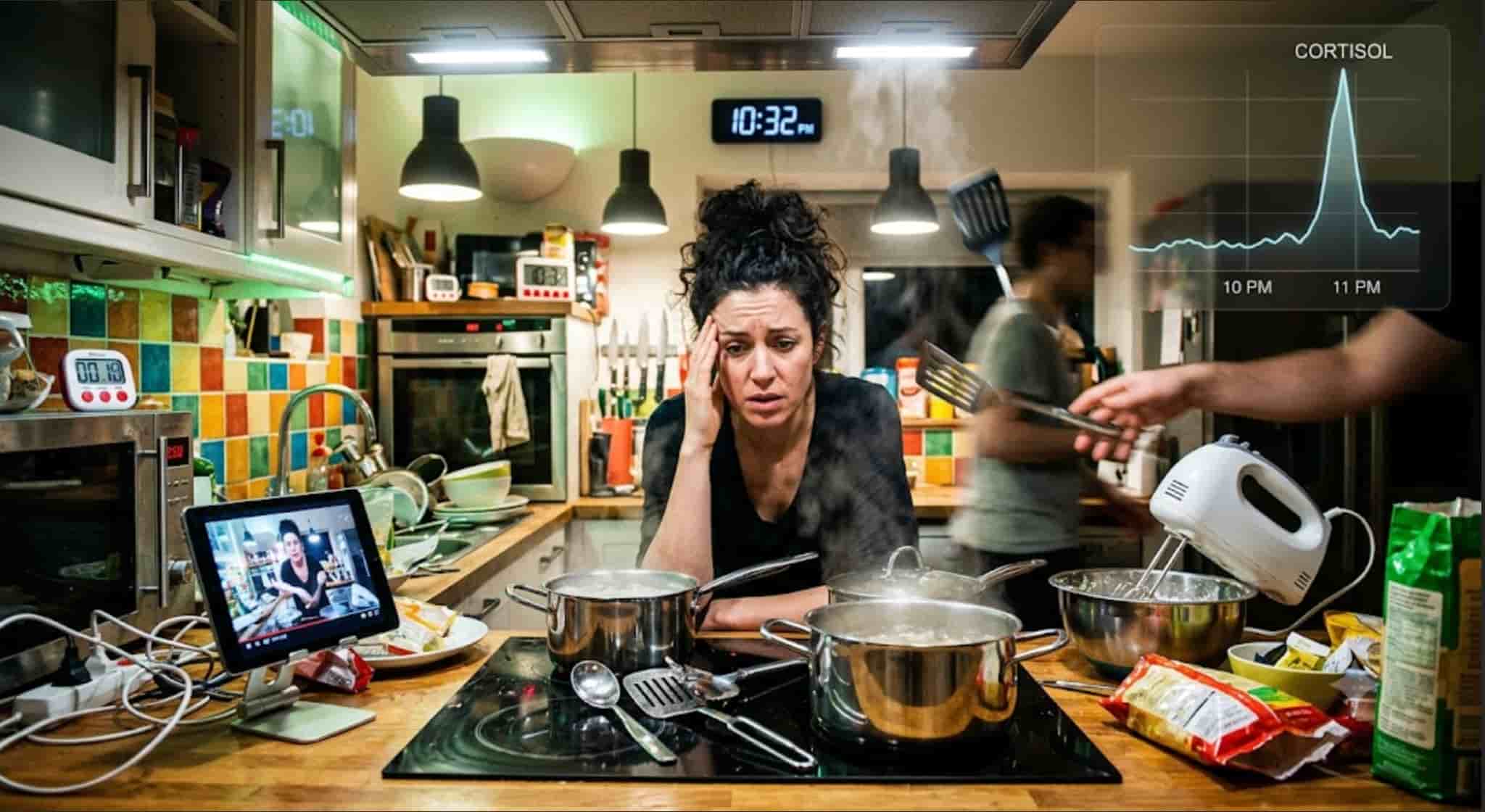
During busy hours, your body relies on focus, momentum, and stress hormones like cortisol and adrenaline to push through tasks and decisions. This keeps your system in an active, forward-focused state.
When you finally stop working, those stress hormones begin to drop, and the fatigue you suppressed all day comes to the surface. Without tasks to keep you occupied, your brain looks for the fastest way to transition from high alert into relaxation.
Food—especially carbohydrates and comforting textures—triggers an immediate release of dopamine and serotonin. Reaching for a snack is often the simplest way your nervous system knows how to switch off when it doesn’t have other tools to downshift.
3 Root Causes Behind Evening Emotional Eating
Understanding what actually drives nighttime cravings makes it much easier to address them without shame. Most cases of evening emotional eating come down to three practical triggers:
1. Under eating During the Day (Physical Depletion)
Skipping meals, rushing through lunch, or restricting calories earlier in the day creates a physical energy deficit. By nighttime, your biology takes over to demand those missing calories. What feels like emotional eating is often basic, physical hunger multiplied by fatigue.
2. Decision Fatigue and Sensory Overload
Making hundreds of choices throughout the day wears down your cognitive capacity. By late afternoon or evening, your brain simply lacks the bandwidth to process complex emotions or resist quick comfort.
3. Food as Your Only Personal Boundary
When your day is filled with responsibilities for work, family, or others, the late hours might be the only unstructured time you have. Eating can become a small, accessible boundary that offers immediate comfort and personal space.
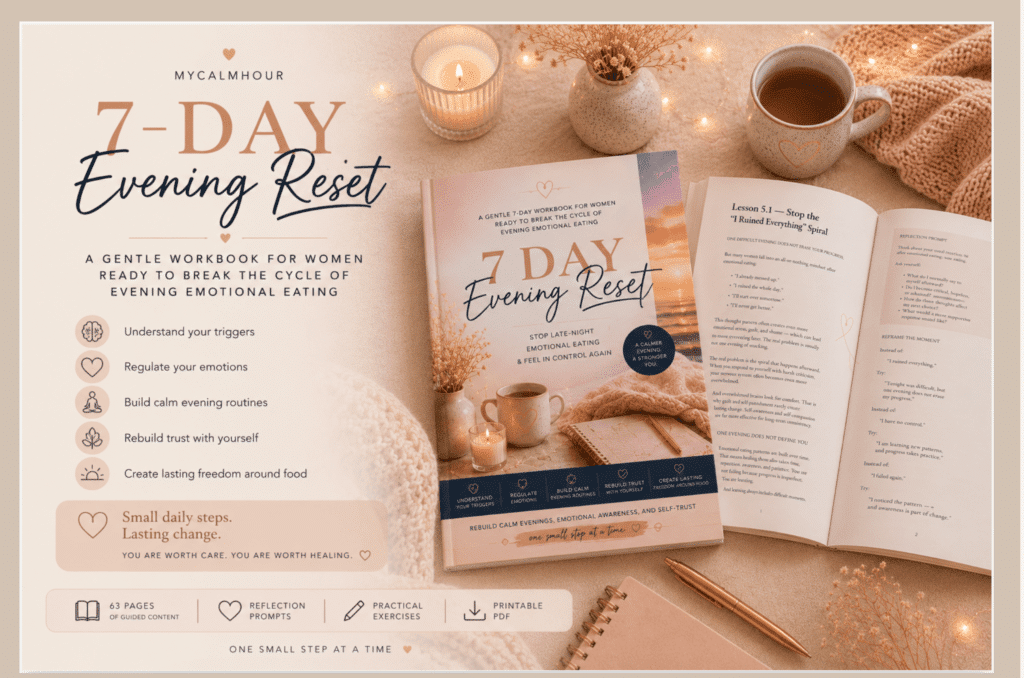
If this article resonated with you…
Discover what’s really behind your evening cravings.
The 7-Day Evening Reset Workbook helps you understand your emotional triggers through gentle reflection, calming practices and practical exercises.
4 Gentle Shifts to Soothe Evening Cravings
Rather than setting strict rules or trying to force self-control, these practical adjustments help make the transition easier:
- Nourish your body steadily throughout the dayEnsure breakfast, lunch, and dinner include sufficient protein, healthy fats, and complex carbohydrates so your body isn’t running on empty when you finish work.
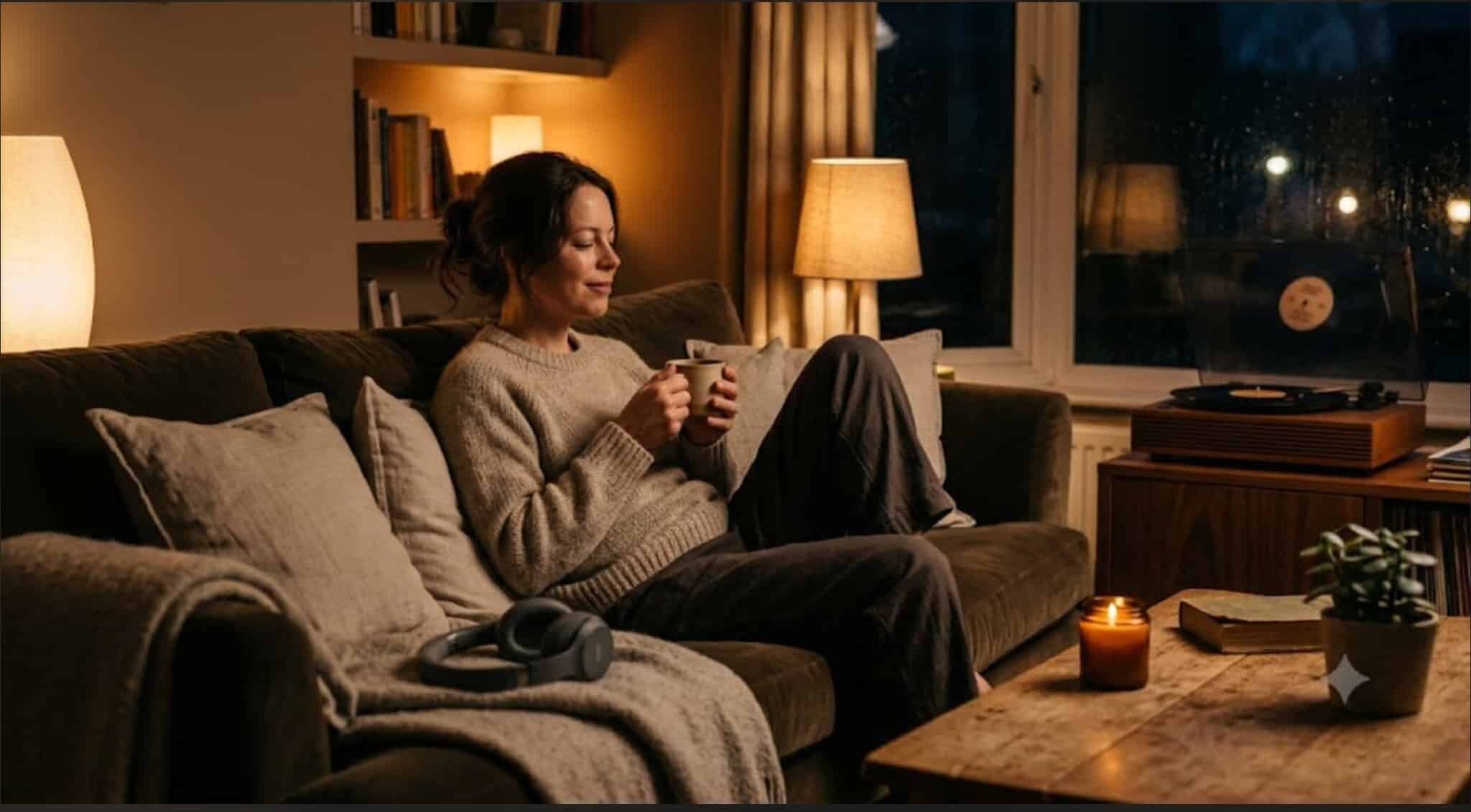
- Create a clear “Day-to-Night” signalGive your nervous system a physical cue that the active part of the day is done. Change into comfortable clothes, dim overhead lights, wash your face, or switch off work notifications right after dinner.
- Offer non-food sensory comfortIf your body is seeking warmth or relaxation, test alternative sensory inputs: a hot shower, a weighted blanket, a warm cup of herbal tea, or simple stretching.
- Eat openly without shameIf you choose to have a late-night snack, do it intentionally. Put the food on a plate, sit down, and enjoy it fully without scrolling or multitasking.
Meeting Yourself with Kindness Tonight
Addressing evening emotional eating isn’t about enforcing stricter discipline—it’s about understanding what your body actually needs at the end of the day.
Next time you head to the kitchen, pause for a moment and ask yourself:
“Am I physically hungry, or is my system just looking for a way to rest?”
Whatever the answer is, respond with clarity and kindness instead of frustration.