Why After Dinner Sugar Cravings Happen
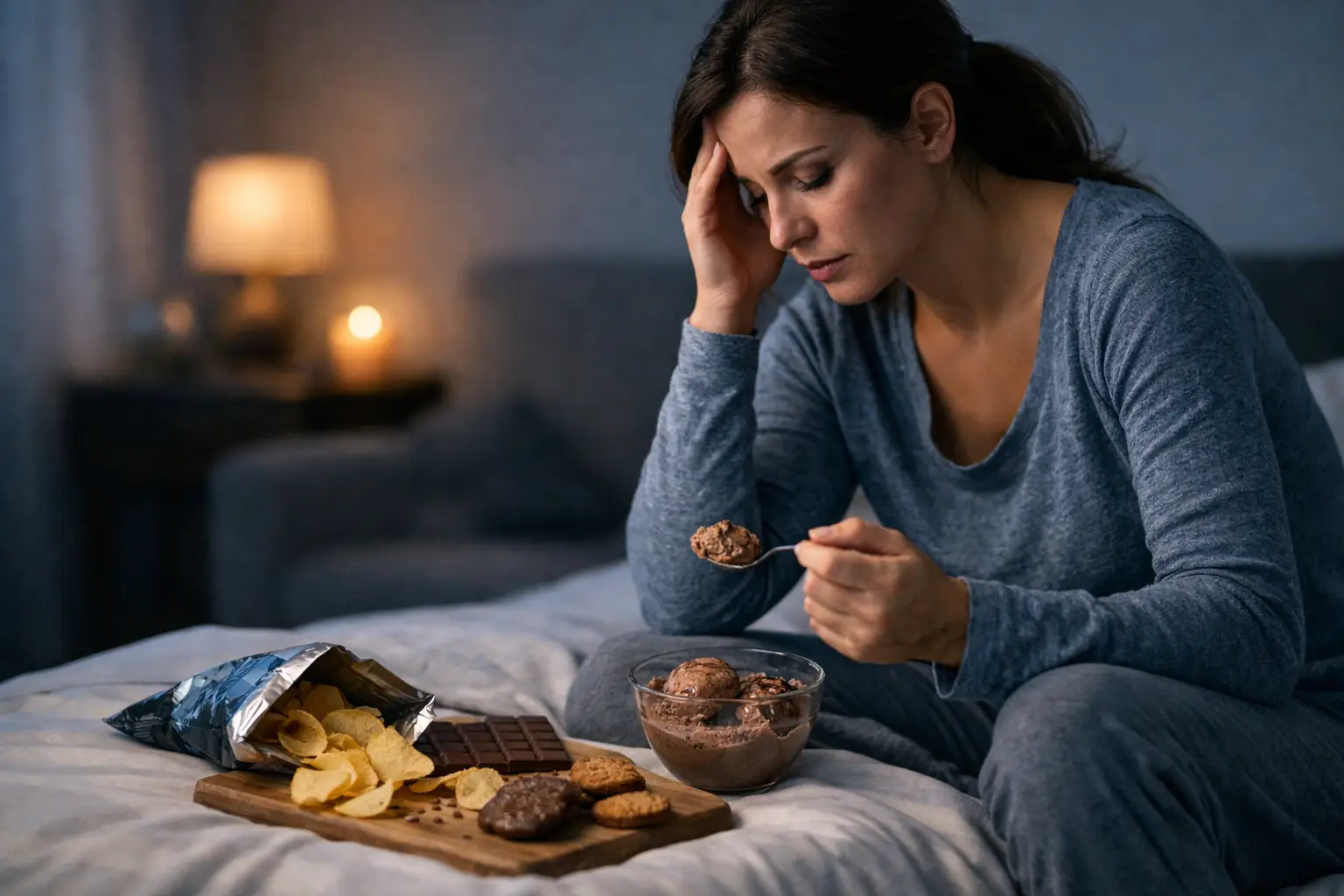
Some nights it starts almost on autopilot. Dinner is over, the kitchen is technically closed, and yet your mind begins circling toward something sweet. Chocolate sounds perfect. Cookies feel deserved. Ice cream seems like the only thing that might finally help you exhale. If you deal with after dinner sugar cravings, you are not broken, and you are not failing at self-control.
For many people, nighttime sugar cravings are less about sugar itself and more about what the body and mind are asking for at the end of a long day. Relief. Reward. Comfort. A softer landing. Once you understand that, the craving stops feeling like an enemy and starts becoming useful information.
What after dinner sugar cravings are really asking for
Sugar cravings at night often show up when your system is running low on something deeper than dessert. Sometimes that is physical energy. Sometimes it is emotional decompression. Often it is both.
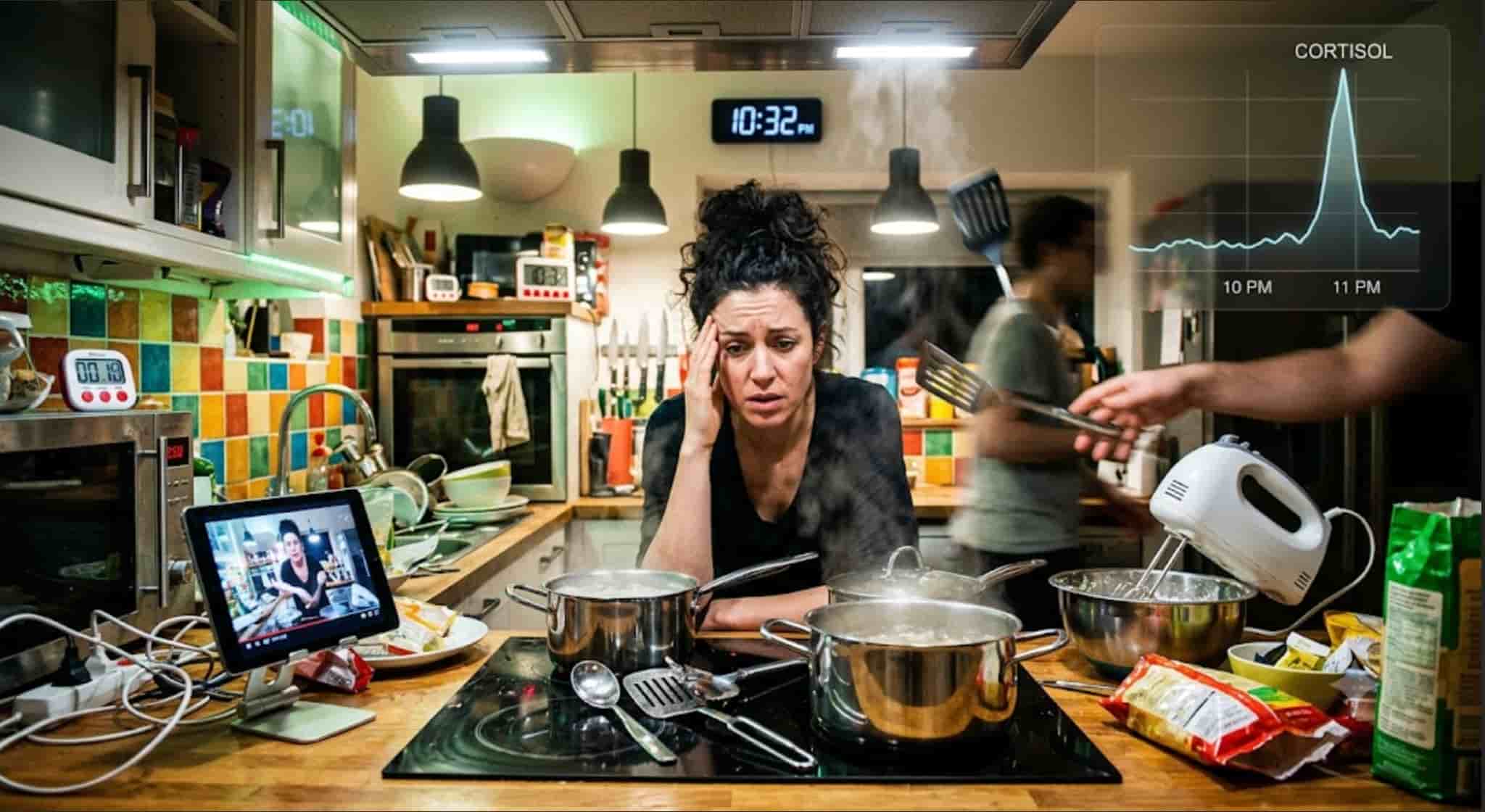
If your day was full of pressure, caretaking, decision fatigue, conflict, or constant stimulation, your nervous system may reach evening in a state of depletion. At that point, sweet food can feel incredibly appealing because it is fast, familiar, and soothing. It offers a quick shift in mood and sensation. For a few moments, it can create the feeling of being cared for.
That does not mean you are imagining the craving. It means your body has learned that sugar is one available route to comfort. When life feels relentless, the brain naturally repeats what has brought relief before.
There is also a practical piece here. If you went too long without eating enough during the day, rushed through meals, or spent the afternoon fueled mostly by caffeine and stress, your body may simply be trying to catch up. Evening is often when the noise quiets down enough for unmet needs to get louder.
Why cravings get stronger at night
Night can be emotionally exposed territory. During the day, there are tasks, people, and deadlines to focus on. After dinner, the distractions fade. What rises instead might be loneliness, restlessness, resentment, boredom, or plain exhaustion.
This is why after dinner sugar cravings can feel so confusing. You may tell yourself, I already ate. I should be fine. But the craving is not always about being physically full. It may be about finally feeling the weight of the day.
There is also the habit loop. If something sweet has become your regular transition from doing to resting, your brain starts expecting it. The craving can appear at the same time each evening because your system has linked dessert with safety, reward, and release. Habits are powerful, especially when they are tied to emotion.
None of this means you need to panic about every craving or never enjoy dessert. A sweet evening ritual is not automatically a problem. The question is whether it feels like a choice or like the only way to cope.
The difference between hunger and emotional need
Sometimes the most helpful question is not, How do I stop this craving? It is, What kind of need is here right now?
Physical hunger usually feels gradual. You may notice an empty stomach, low energy, irritability, or a sense that many foods sound satisfying. Emotional craving is often more specific and urgent. It tends to latch onto a particular food and carries a feeling of needing immediate relief.
Of course, real life is messy. You can be physically hungry and emotionally worn out at the same time. That is common, especially in the evening. So instead of trying to categorize the craving perfectly, try meeting both possibilities with kindness.
You might ask yourself whether you need a more substantial snack, a few minutes to decompress, or both. This small pause changes the conversation. It moves you out of self-judgment and into self-support.
A gentler way to respond in the moment
When sugar cravings hit, the instinct is often to either give in quickly or fight hard against them. Neither approach tends to bring much peace. One leaves you feeling disconnected from yourself. The other can make the craving louder.
A calmer middle path begins with slowing the moment down.
Pause before you react
Try sitting down for one minute before heading for the sweet food. Not to prove discipline. Just to create enough space to notice what is happening inside you. You might place a hand on your chest or stomach and ask, What was today like for me? What am I needing right now?
This may sound small, but it helps interrupt autopilot. Often the craving softens when it is met with attention instead of resistance.
Add comfort before you decide about sugar
If the craving is really a cue for comfort, bring comfort in first. Make tea. Put on soft socks. Step outside for two minutes of cool air. Dim the lights. Sit on the couch with a blanket instead of standing in the kitchen overstimulated and half-dissociated.
These are not silly extras. They help your body feel the shift from stress to safety. And when the nervous system settles even a little, the urgency around sugar often becomes less intense.
If you want something sweet, make it conscious
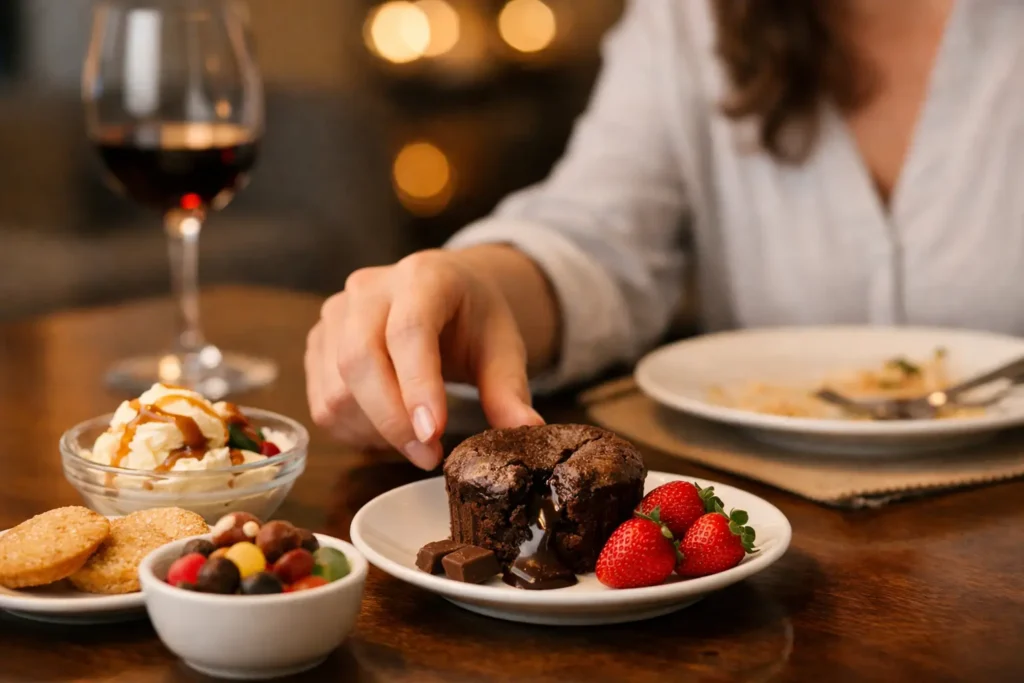
You do not need to turn dessert into a moral issue. If something sweet still sounds good, let it be a choice you are present for. Put it on a plate. Sit down. Taste it. Let the experience be real rather than rushed.
This matters because frantic eating usually comes from a frantic state. When you slow down, you give yourself the chance to notice whether the food is actually meeting the need or whether you are still searching for something else.
How to reduce after dinner sugar cravings over time
The goal is not to become a person who never wants sugar at night. The goal is to build evenings that feel less deprived, less jagged, and less emotionally hungry.
Eat in a way that supports steadier evenings
A surprisingly large share of nighttime cravings begin earlier in the day. If mornings are rushed and afternoons run on fumes, evenings often become the first chance your body has to ask for more. Regular meals with enough substance can make a real difference. Not because you need perfect eating habits, but because a cared-for body tends to crave less urgently.
Create a transition out of the workday
Many people go straight from stress into dinner and then wonder why the urge to keep eating never quite stops. If your nervous system never gets a clear signal that the demanding part of the day is over, it will keep searching for relief.
A simple transition ritual can help. Change clothes. Wash your face. Sit in silence for five minutes. Light a candle while you tidy the kitchen. Journal one sentence about what felt heavy today. Small acts like these tell the body, We are safe enough to come down now.
Build in non-food reward
If sweets are the only pleasure point in your evening, of course they will feel powerful. Pleasure is not frivolous. It is regulation. It is recovery.
Think about what helps you feel gently restored. A comfort show, a warm shower, quiet music, coloring, stretching, a voice note to a friend, ten minutes with a book. The specific ritual matters less than the feeling it creates. You are teaching your system that relief can come through more than one doorway.
When cravings are really about self-permission
Sometimes after dinner sugar cravings are tangled up with a deeper pattern. You spend the day being useful, responsible, accommodating, and emotionally contained. Night becomes the only time that feels like yours. The sweet food is not just sweet food. It is permission.
If that resonates, the solution is not to take the permission away. It is to widen it. Can you let yourself have more softness before the day is completely over? Can you claim five unproductive minutes in the afternoon, ask for more support, or lower one expectation that keeps you running on empty?
This is slow work. But it is the kind that changes evenings from the inside out.
There is nothing weak about wanting comfort at night. It makes sense. You are a human being with a tired brain, a responsive nervous system, and a real need for ease. The next time sugar calls your name after dinner, see if you can meet yourself with curiosity first. One gentle hour at a time, that is often where the real shift begins.